Tag

reserve fund

Toronto Condo

Where to Order a Status Certificate for a Toronto Condo

By Advice For Buyers, Advice For Sellers

If you’ve ever made an offer on a Toronto condo—or are about to—you’ll quickly hear this term: status certificate. It might not sound exciting, but this document is a cornerstone of any smart condo purchase. It gives you (and your lawyer) a detailed snapshot of the condo corporation’s financial health, rules, and any red flags that could impact your investment.

Let’s break down what a status certificate is, what’s inside, where you can order one in Ontario, and why it matters more than most buyers realize.


What is a Status Certificate?

A status certificate is an official document issued by a condominium corporation that provides key financial and legal information about a specific condo unit and the condo corporation as a whole.

In Ontario, it’s a legal requirement under Section 76 of the Condominium Act, 1998. Condo corporations must issue one within 10 calendar days of receiving a written request and a $100 fee (HST included).

Whether you’re buying, selling, or refinancing a condo, this document is essential—it can affect offer conditions, financing approval, and even your long-term ownership experience.
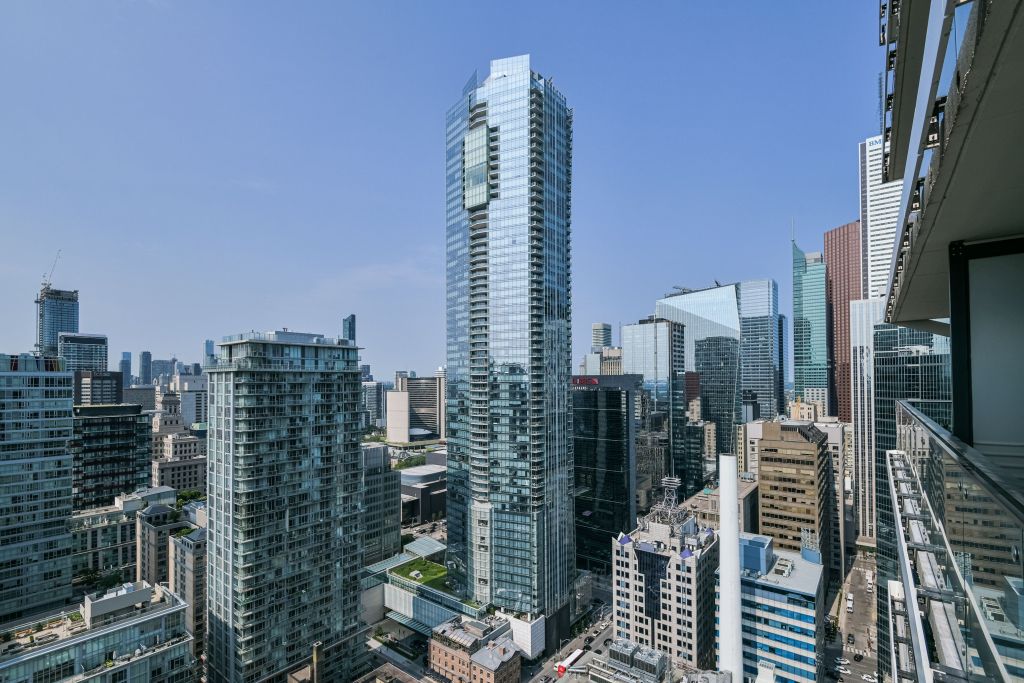
Toronto Skyline
Toronto Skyline

What’s Inside a Status Certificate?

It’s more than just a single sheet. A typical status certificate includes:

  • Declaration, by-laws, and rules of the condo corporation
  • Monthly common expenses for the unit (and whether the current owner is up to date)
  • Audited financial statements from the previous year
  • Annual operating budget
  • Reserve fund balance and funding plan (important for future repairs)
  • Insurance certificate
  • Details of any legal proceedings, judgments, or outstanding claims
  • Whether the unit is subject to a lien
  • Names and contact information for directors and officers of the condo board

This bundle helps your real estate lawyer flag issues like underfunded reserves or pending lawsuits—things that aren’t obvious from a showing or MLS listing.

Check out the podcast episode we did on all things status certificates:


Cost, Timeline, and Ordering Channels

Ordering a status certificate in Ontario is relatively straightforward. Here’s what to expect:

  • Cost: $100 (HST included), set by provincial regulation
  • Delivery timeline: 10 calendar days from the date of request and payment
  • Format: Usually provided via secure PDF download, email, or printed hard copy

Some management firms also offer expedited service—usually within 2–3 business days—for an additional fee (often ranging from $50 to $135 extra).


Where to Order a Status Certificate in Ontario

Depending on how a building is managed, status certificates can be ordered through several platforms. Here are the most commonly used options:

  • StatusCertificate.com
    The most widely used service in Ontario. Many property management firms rely on this platform. Simply search by condo address and unit number, and you can order directly online.
  • Condo Control
    Used by many Toronto buildings. If your condo is registered, you can order certificates through your resident portal.
  • CondoBI
    Provides centralized access for condo documents. Works with affiliated management companies and allows digital payment and delivery.
  • Percel Property Management
    Offers both standard and expedited status certificate orders. Ideal for time-sensitive transactions.
  • Crossbridge Condominium Services
    Ontario’s largest condo manager. Ordering forms are available on individual property pages.
  • Wilson Blanchard
    Allows status certificate requests online for buildings they manage.
  • CondoCafe
    Used by large firms like FirstService Residential. You’ll need login credentials linked to your building.
  • Direct from Property Manager or Condo Board
    In smaller or self-managed buildings, requests are handled manually. Contact the property manager or board directly and be prepared to send payment via cheque or e-transfer.

Why Status Certificates Matter in the Buying Process

For buyers, the status certificate is typically reviewed as part of a conditional offer—meaning your deal only proceeds if the certificate comes back clean. That review is done by your real estate lawyer, and they’re looking for:

  • Evidence of a healthy reserve fund
  • Any upcoming special assessments (one-time repair costs to be paid by owners)
  • Legal issues involving the condo corporation
  • Liens or unpaid maintenance fees on the unit
  • Rules or restrictions that may affect how you use the property (e.g., pets, short-term rentals)

Sellers may also choose to proactively order one in advance to speed up the process—especially in competitive markets.


Common Questions About Status Certificates

Who pays for it?
Traditionally, the buyer covers the cost (as part of their due diligence), but some sellers may offer it upfront.

Can anyone request one?
Yes—anyone can request a status certificate as long as they provide the written request and $100 fee.

How long is it valid?
There’s no official expiry, but certificates older than 30 days are often considered outdated for legal review.

What if it’s not delivered within 10 days?
That’s a breach of the Condominium Act. While rare, your lawyer can escalate if delays occur.

Is the content negotiable?
No—the condo corporation must disclose certain information in a fixed format. It’s not something you can “amend.”


Final Thoughts

Ordering a status certificate might seem like a formality, but it can reveal a lot about the property you’re buying—or selling. In a city like Toronto where condo purchases move fast, understanding where to order one and what to look for can give you a real edge.

Think of it as your condo’s report card—and every good deal starts with doing your homework.

For more tips on buying a condo in Toronto, send us a message below!


Sources & Further Reading:

Condo views in Toronto

Toronto Condo Reserve Funds: Top 5 Red Flags Every Buyer Should Spot

By Advice For Buyers

What Is a Reserve Fund and Why It Matters

When you buy a condo in Toronto, you’re not just purchasing a unit—you’re buying into a community with shared responsibilities. That includes footing the bill for repairs to common areas like roofs, parking garages, and elevators. Enter the reserve fund: a legally mandated savings account that every condo corporation must maintain to cover the cost of major repairs and replacements.

Ontario’s Condominium Act requires that this fund be reviewed at least every three years by a professional engineer through what’s known as a Reserve Fund Study. A healthy reserve fund protects owners from sudden “special assessments”—those dreaded lump-sum charges when there’s not enough money saved for big-ticket items.

Want to know learn more about why we review status certificates in the first place? Check out our blog post on: Understanding the Importance of Status Certificates

Red Flag #1 – A Reserve Fund That’s Way Too Low

How low is too low?

While there’s no official benchmark, experienced buyers and agents know what to look for. In Toronto, a mid-size condo building should ideally have at least $500,000–$1,000,000 in its reserve fund—more if it’s older or has luxury amenities. Anything substantially below that could spell trouble.

What it tells you

A low reserve balance often means the condo has been under-saving for years. That raises the odds of surprise costs falling to unit owners. It could also mean that major repairs are overdue—or being deferred to avoid raising fees.

What About New Condos?

It’s totally normal for brand-new condos to have relatively low reserve fund balances in their early years. Most developers seed the fund with an initial contribution, but the bulk of future savings comes from monthly fees paid by owners over time.

That said, even in a new building, the initial Reserve Fund Study should outline a detailed contribution schedule that shows the fund growing gradually—and sustainably. Be wary if:

  • The fund balance stays flat for several years
  • Contributions are delayed or minimized
  • There’s no clear funding plan for long-term repairs

A low balance alone isn’t a red flag in year one—but a poorly planned trajectory is.

Red Flag #2 – No Recent Reserve Fund Study

Condo boards are legally required to commission a Reserve Fund Study every three years. If a building hasn’t updated its study in that timeframe, it’s out of compliance.

Even worse: the older the study, the less accurate it is in predicting upcoming expenses. Without current data, you’re flying blind as a buyer.

Learn more on Ontario.ca’s Reserve Fund overview.

Red Flag #3 – The “Contribution Holiday” Trap

Some condo boards try to keep monthly fees artificially low by taking a so-called “contribution holiday”—pausing regular payments into the reserve fund. While this may look good on paper, it’s a short-term fix that can lead to long-term pain.

We once had a buyer eyeing a charming boutique condo downtown. The unit was gorgeous. But when we reviewed the financials, the reserve fund was barely funded—just $220,000 for a 25-year-old building with aging infrastructure. Worse still, the Reserve Fund Study warned of upcoming shortfalls of $15,000 per unit. The board had been on a contribution holiday for two years.

The buyer walked. Smart move.

Red Flag #4 – History of Special Assessments

If a building has a history of levying special assessments, take notice. These one-time fees—sometimes $10,000 to $30,000 per unit—usually mean the reserve fund was underfunded when a big repair came due.

Ask to see previous AGM (Annual General Meeting) minutes or speak with the property manager. Frequent assessments may point to chronic mismanagement.

Red Flag #5 – Expensive Repairs Coming, No Money Saved

What’s worse than a low reserve fund? A low reserve and a big-ticket repair right around the corner. We’re talking about:

  • Elevator replacements
  • Parking garage membrane repairs
  • Roof and window overhauls

These aren’t optional. And if the building hasn’t budgeted for them? Owners will be footing the bill.

City Place condos

Pro Tip – What Smart Buyers Should Always Check

Ask to see the Reserve Fund Study

It should be recent, realistic, and detail how the fund will grow over time.

Read AGM minutes for hidden clues

Sometimes future problems are only hinted at in board meeting notes. Don’t skip them.

Have your lawyer review the Status Certificate

Yes, every time. A good real estate lawyer knows exactly where to look.

Final Thoughts: It’s Not Just About the Unit

You might fall in love with the layout, the finishes, or that view—but none of that will matter if your building’s finances are in rough shape.

Spotting these red flags early can save you tens of thousands—and a lot of future stress.

Ready to Buy Better?

Before you commit to a condo, make sure you’re not inheriting someone else’s financial mess. The lawyers we work with, have reviewed hundreds of status certificates—and know what to look for (and when to walk away).
Contact us today or send us a message below, for a no-pressure chat about your next move!

Businessman in office signing contract

Status Certificate Ontario: Complete Checklist & Key Details

By Advice For Buyers, Advice For Sellers, Real Estate

Making a smart condo purchase doesn’t have to feel like a shot in the dark. The status certificate serves as your crystal ball, providing crucial insights into a condominium’s health and future prospects.

What is a Status Certificate?

A status certificate is a comprehensive health report for a condominium, mandated by the Ontario Condominium Act. This vital document provides a detailed snapshot of the building’s financial and legal standing, making it an essential tool for informed decision-making in the real estate market.

Key Components

Financial Health
The status certificate reveals the building’s financial pulse through its reserve fund – essentially a savings account for future repairs and maintenance. A robust reserve fund indicates good financial management and reduces the likelihood of unexpected special assessments.

Legal Status
Understanding ongoing legal proceedings is crucial for potential buyers. While lawsuits aren’t always deal-breakers, particularly in newer buildings where construction-related claims are common, they can impact future costs and building operations.

Building Operations
The document outlines important operational aspects including:

  • Maintenance fees and potential increases
  • Parking arrangements
  • Pet policies
  • Insurance coverage
  • Building rules and bylaws

Professional Guidance

While the status certificate is publicly accessible, its interpretation requires expertise. Working with experienced real estate professionals can help you:

  • Identify potential red flags
  • Understand complex legal terminology
  • Evaluate the building’s financial stability
  • Navigate building-specific regulations

Best Practices

Timing Matters
Always ensure your status certificate is current – ideally no more than 30 days old. Real estate markets and building conditions can change rapidly, making recent information crucial for decision-making.

Due Diligence
Before making an offer, thoroughly review:

  • Reserve fund studies
  • Financial statements
  • Building maintenance history
  • Upcoming major repairs or renovations

Making an Informed Decision

The status certificate is more than just paperwork – it’s your protection against unforeseen issues and a tool for confident decision-making. By understanding its components and working with knowledgeable professionals, you can transform the condo-buying process from a mysterious venture into a well-informed investment decision.

Remember, a thorough understanding of the status certificate isn’t just about protecting your investment – it’s about ensuring peace of mind in your new home. Take the time to review this document carefully, and don’t hesitate to seek professional guidance when needed.