


Why “Loft” Means Very Different Things in Toronto
In Toronto real estate, the word loft gets used a lot — and not always accurately. To some buyers, a loft simply means high ceilings and exposed brick. To others, it’s about history, character, and living in a space that clearly wasn’t designed as a condo from day one.
Two of the most commonly compared options are church loft conversions and hard loft conversions. On the surface, they can seem similar: both are adaptive reuse projects, both offer architectural character, and neither feels like a cookie‑cutter glass tower. But in practice, they deliver very different living experiences.
We see this play out with buyers all the time. Someone starts their search thinking they want “a loft,” only to realize later that which type of loft matters just as much as the neighbourhood or price point.
Let’s break down the real differences.
What Is a Church Loft Conversion?
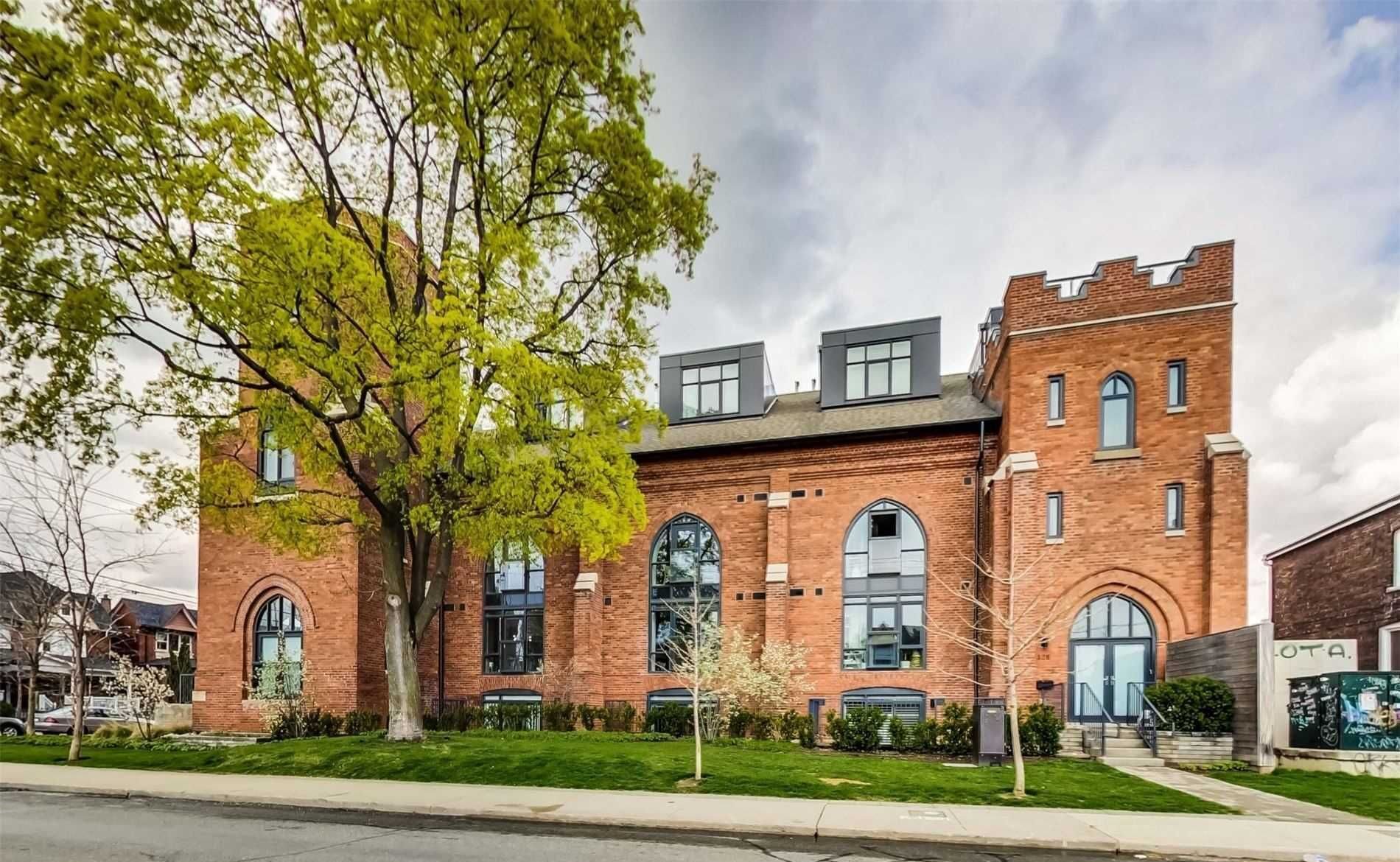
A church loft conversion takes a former place of worship — often dating back 80 to 120 years — and reimagines it as residential space. In Toronto, these projects are usually boutique in scale, sometimes with fewer than 20 units total.
What draws buyers in is obvious the moment you walk inside: soaring vaulted ceilings, stone or brick walls, original wood trusses, arched windows, and in some cases, preserved stained glass. These are spaces that feel special.
That said, church lofts are also shaped by what already exists. Floor plates, ceiling heights, window placement, and structural elements are largely dictated by the original building. As a result, layouts tend to be more fixed and less flexible.
For a deeper look at specific buildings and conversions, see our guide to Church Loft Conversions in Toronto.

What Is a Hard Loft Conversion?
Hard lofts are created from former industrial buildings — factories, warehouses, manufacturing plants, and sometimes commercial bakeries or print shops. Most date back to the early-to-mid 20th century, particularly in neighbourhoods like Liberty Village, King West, Leslieville, and the Junction.
The defining features are industrial: exposed concrete, steel beams, brick walls, massive factory windows, and wide, open floor plans. Unlike church lofts, hard lofts were often large, rectangular spaces designed for efficiency — which translates well to residential living.
Hard lofts typically offer more layout flexibility and are easier to renovate over time. It’s not uncommon to see owners reconfigure bedrooms, kitchens, and workspaces as their needs evolve.
For a broader breakdown, explore our Toronto Hard & Soft Lofts Guide.

Church Lofts vs Hard Lofts: A Side‑by‑Side Comparison
| Feature | Church Loft Conversion | Hard Loft Conversion |
|---|---|---|
| Original Use | Place of worship | Factory / warehouse |
| Typical Scale | Boutique, low unit count | Medium to large buildings |
| Ceiling Heights | Extremely high, often vaulted | High but more uniform |
| Layout Flexibility | Limited | High |
| Architectural Details | Stained glass, stone, arches | Brick, concrete, steel |
| Heritage Restrictions | Common and often strict | Less restrictive |
| Renovation Freedom | Limited by structure & heritage | Generally more flexible |
| Condo Fees | Can be higher due to building complexity | Often more predictable |
| Buyer Profile | Emotion‑driven, long‑term owners | Lifestyle‑focused, urban buyers |
| Resale Pool | Niche but passionate | Broader market appeal |
Design & Architecture: Old‑World Grandeur vs Industrial Edge
Design is where the emotional split really happens.
Church lofts lean into history. They feel dramatic, almost gallery‑like, and there’s a sense of permanence to the architecture. Buyers who choose them often talk about the feeling the space gives them rather than pure functionality.
Hard lofts, by contrast, feel urban and practical. The beauty comes from raw materials and scale rather than ornamentation. Exposed concrete and brick create a backdrop that can adapt to different furniture styles, artwork, and renovations over time.
Neither is better — but they appeal to very different personalities.
Layout & Livability: Day‑to‑Day Reality
One of the biggest surprises for first‑time loft buyers is how differently these spaces live.
Church loft layouts are often vertical, with mezzanines or split levels. Bedrooms may overlook living areas, and privacy can be limited. Storage is sometimes creative rather than abundant. These homes reward buyers who value atmosphere over efficiency.
Hard lofts tend to be more forgiving. Larger floor plates make it easier to carve out proper bedrooms, home offices, and storage. Ceiling heights are still generous, but the overall space usually feels more balanced for daily living.
We often see buyers initially drawn to church lofts emotionally, then gravitate toward hard lofts once they start thinking about how they’ll actually use the space every day.
Heritage Designation & Renovation Limits (Toronto‑Specific)
Many church lofts in Toronto are heritage‑designated. While this protects the character of the building, it also limits what owners can change — especially when it comes to windows, exterior elements, and sometimes interior features tied to the original structure.
Hard lofts may also be heritage buildings, but restrictions are usually lighter and focused on exterior façades. Interior renovations are typically far more straightforward.
Before buying, it’s critical to understand what is and isn’t allowed. This is one area where due diligence can save buyers from frustration later.
Maintenance, Condo Fees & Ownership Reality
Church lofts often operate with smaller condo corporations and highly customized buildings. Roofs, stonework, specialty windows, and aging systems can all translate into higher maintenance costs or special assessments over time.
Hard loft buildings tend to have more standardized systems and larger reserve funds, simply due to scale. Fees are often easier to predict, though they can still vary widely depending on amenities and building condition.
Neither option is inherently risky — but expectations should be realistic.
Who Each Loft Type Is Best For
A Church Loft Might Be Right If…
- You value architecture and history over layout efficiency
- You want a truly one‑of‑a‑kind home
- You’re buying for long‑term enjoyment, not frequent renovations
- You’re comfortable with some design compromises
A Hard Loft Might Be Right If…
- You want open‑concept living with flexibility
- You plan to renovate or reconfigure over time
- You prefer a more urban, industrial aesthetic
- You want a broader resale audience down the road
Toronto FAQs: Church Lofts vs Hard Lofts
Are church lofts harder to resell?
They appeal to a narrower audience, but buyers who want them are usually highly motivated.
Do church lofts always have higher condo fees?
Not always, but unique building systems can increase costs over time.
Can I renovate a church loft unit?
Interior changes are often limited. Always review heritage restrictions first.
Which holds value better long‑term?
Both can perform well. Hard lofts tend to be more liquid; church lofts rely more on emotional demand.
Ready to Explore Loft Options in Toronto?
Drawn to character and history? Explore current church loft conversions for sale in Toronto and see what makes these homes truly unique.
-
308 384 Sunnyside Avenue in Toronto: High Park-Swansea Condo Apartment for sale (Toronto W01) : MLS®# W13571624
308 384 Sunnyside Avenue Toronto M6R 2S1  $1,790,000Residential Condo & Other
- Status:
- Active
- MLS® Num:
- W13571624
- Bedrooms:
- 3
- Bathrooms:
- 2
Two-floor executive penthouse in the Abbey, an iconic church conversion. Open concept luxury with 10m ceilings, wall to wall custom-built upgrades. Cherry floors & cabinetry, Artimede lights, exposed beams, original windows, limestone walls. The best suite in the building. Perfectly situated for High Park, Lake, Roncey Village, Bloor West, Libraries, Schools, Hospital, TTC, Restuarants. This area has it all. More detailsListed by ROYAL LEPAGE REAL ESTATE SERVICES LTD.- MARK SAVEL
- SAGE REAL ESTATE LTD., BROKERAGE
- 1 (647) 2916328
- Contact by Email
-
111 660 Pape Avenue in Toronto: North Riverdale Condo Apartment for sale (Toronto E01) : MLS®# E13597156
111 660 Pape Avenue Toronto M4K 3S5
$1,375,000Residential Condo & Other- Status:
- Active Under Contract
- MLS® Num:
- E13597156
- Bedrooms:
- 2
- Bathrooms:
- 2
Over 1700 gorgeous, light-filled square feet in this two bedroom , multi-level suite in the highly coveted Glebe Lofts! Designed for both comfortable everyday living and effortless entertaining, this unique home offers an exceptional blend of indoor and outdoor space. The stunning second-level primary retreat opens onto an expansive 220 square feet of private terrace-your own peaceful urban escape. A second exclusive outdoor space, a rare gated garden with direct access from Pape Avenue, provides the perfect setting for morning coffee, gardening, or welcoming guests. Just steps from the vibrant Danforth, you'll enjoy the best of boutique shops, acclaimed restaurants, cafés, parks, and convenient transit, all while coming home to one of the neighbourhood's most distinctive loft residences. More detailsListed by SAGE REAL ESTATE LIMITED- MARK SAVEL
- SAGE REAL ESTATE LTD., BROKERAGE
- 1 (647) 2916328
- Contact by Email
-
PH 2 225 Brunswick Avenue in Toronto: University Condo for sale (Toronto C01) : MLS®# C13570328
PH 2 225 Brunswick Avenue Toronto M5S 2M6
$1,289,000Residential Condo & Other- Status:
- Active
- MLS® Num:
- C13570328
- Bedrooms:
- 1
- Bathrooms:
- 2
|| You Save the HST * Builder Sale || A corner Penthouse with private south terrace at this award-winning boutique development in the Annex. A stylish and sun-filled suite that offers a generous floorplan of almost 1,100 square feet inside, with soaring ceilings, abundant windows and impeccable finishes. Spanning two levels, this west Penthouse features a private entry foyer, custom kitchen with stone counters and white oak cabinetry, integrated Miele appliances, gas cooktop, an oversized island with wine fridge, hardwood throughout and a distinctive roofline creating a remarkable volume of space. Enjoy a private terrace in the treetops all to yourself. Upstairs, a quiet primary suite featuring tailored built-ins and a bright ensuite bathroom with soaker tub and shower. Main floor powder room, great storage and the warmth and elegance of loft living. Parking by street permit, and steps to Bloor, Harbord Village, U of T and transit. Heritage architecture and contemporary craftsmanship in an outstanding location. Full Tarion warranty. HST savings is reflected in listed sales price. More detailsListed by RIGHT AT HOME REALTY- MARK SAVEL
- SAGE REAL ESTATE LTD., BROKERAGE
- 1 (647) 2916328
- Contact by Email
-
107 152 Annette Street in Toronto: Junction Area Condo Apartment for sale (Toronto W02) : MLS®# W13703326
107 152 Annette Street Toronto M6P 1P4
$689,900Residential Condo & Other- Status:
- Active
- MLS® Num:
- W13703326
- Bedrooms:
- 2
- Bathrooms:
- 1
Award winning Victoria Lofts transformed a 19th Century Church and Schoolhouse (formerly the Victoria Royce Presbyterian Church) into one of our city's most desired addresses at 152 Annette white maintaining it's original heritage architecture and integrity. Sought after yet rarely offered, this 825 SF 1 bedroom + den features soaring ceilings of more than 10' throughout the principal living areas, large windows with lots of light and exposed duct work in an open concept hard loft with an 153 SF terrace ideal for a quiet city escape. Stainless steel appliances and a generous kitchen island afford lots of space for prepping your next great meal. As well, the terrace features a gas line hookup for BBQ and Summer dining. The grounds are well maintained with lush landscaping. Upgrades include new flooring and appliances. A block away, the Junction neighbourhood offers, a one stop destination for groceries, dining, antiques, clothing and much more. With highlights such as the Sweet Potato grocery store, Bothams restaurant, Coal Miner's Daughter womenswear and Mrs. Huizinga's antiques. A short walk south takes you to High Park, Toronto's largest park with tennis courts, pools and the famous blooming cherry blossoms each spring. Easy access to transit and a near perfect walk score. This is a hidden gem perfect for the discerning eye that holds value well beyond it's price. More detailsListed by BAKER REAL ESTATE INCORPORATED- MARK SAVEL
- SAGE REAL ESTATE LTD., BROKERAGE
- 1 (647) 2916328
- Contact by Email
-
306 456 College Street in Toronto: Palmerston-Little Italy Condo Apartment for sale (Toronto C01) : MLS®# C13671416
306 456 College Street Toronto M6G 4A3
$680,000Residential Condo & Other- Status:
- Active
- MLS® Num:
- C13671416
- Bedrooms:
- 1
- Bathrooms:
- 2
Tucked inside the iconic Channel Club, a boutique residence built around a restored 1880s church tower, this rarely offered one-bedroom offers the kind of space that's increasingly hard to find in the city. With over 860 sq. ft., the generous layout provides endless flexibility to create dedicated living, dining and work-from-home spaces without compromise. A bright west exposure fills the suite with natural light while offering a peaceful retreat from the energy just outside your door. Set at the intersection of College and Bathurst, you're steps from some of Toronto's best restaurants, cafés and neighbourhood favourites, with Kensington Market, Little Portugal and Trinity Bellwoods all within easy reach. FreshCo, Shoppers Drug Mart, TTC streetcars and everyday conveniences are just outside, making day-to-day living effortless. Boutique building amenities include a fitness facility and rooftop terrace, completing the perfect balance of vibrant city living and a place to truly unwind at the end of the day. More detailsListed by PROPERTY.CA INC.- MARK SAVEL
- SAGE REAL ESTATE LTD., BROKERAGE
- 1 (647) 2916328
- Contact by Email
-
605 456 College Street in Toronto: Palmerston-Little Italy Condo Apartment for sale (Toronto C01) : MLS®# C13479640
605 456 College Street Toronto M6G 4A3
$599,900Residential Condo & Other- Status:
- Active
- MLS® Num:
- C13479640
- Bedrooms:
- 2
- Bathrooms:
- 1
Rich in distinctive character & architectural charm, this unique residence is enhanced by an attached historic church tower that creates a truly one-of-a-kind living experience. South-facing & filled with natural light, this spacious 1-bedroom plus den/suite offers incredible views of Toronto's skyline & the iconic CN Tower. Residents enjoy the boutique-style rooftop terrace, fitness facilities & party room. Located in sought after Little Italy, experience all this beautiful area has to offer, amazing restaurants, shopping & much more! Includes 1 owned parking spot & locker. Available for a quick closing! (Tenant is leaving Aug 1, 2026) More detailsListed by ROYAL HERITAGE REALTY LTD.- MARK SAVEL
- SAGE REAL ESTATE LTD., BROKERAGE
- 1 (647) 2916328
- Contact by Email

Prefer flexibility and an industrial edge? Browse Toronto hard lofts for sale and compare layouts, neighbourhoods, and price points.
-
308 384 Sunnyside Avenue in Toronto: High Park-Swansea Condo Apartment for sale (Toronto W01) : MLS®# W13571624
308 384 Sunnyside Avenue Toronto M6R 2S1
$1,790,000Residential Condo & Other- Status:
- Active
- MLS® Num:
- W13571624
- Bedrooms:
- 3
- Bathrooms:
- 2
Two-floor executive penthouse in the Abbey, an iconic church conversion. Open concept luxury with 10m ceilings, wall to wall custom-built upgrades. Cherry floors & cabinetry, Artimede lights, exposed beams, original windows, limestone walls. The best suite in the building. Perfectly situated for High Park, Lake, Roncey Village, Bloor West, Libraries, Schools, Hospital, TTC, Restuarants. This area has it all. More detailsListed by ROYAL LEPAGE REAL ESTATE SERVICES LTD.- MARK SAVEL
- SAGE REAL ESTATE LTD., BROKERAGE
- 1 (647) 2916328
- Contact by Email
-
111 660 Pape Avenue in Toronto: North Riverdale Condo Apartment for sale (Toronto E01) : MLS®# E13597156
111 660 Pape Avenue Toronto M4K 3S5
$1,375,000Residential Condo & Other- Status:
- Active Under Contract
- MLS® Num:
- E13597156
- Bedrooms:
- 2
- Bathrooms:
- 2
Over 1700 gorgeous, light-filled square feet in this two bedroom , multi-level suite in the highly coveted Glebe Lofts! Designed for both comfortable everyday living and effortless entertaining, this unique home offers an exceptional blend of indoor and outdoor space. The stunning second-level primary retreat opens onto an expansive 220 square feet of private terrace-your own peaceful urban escape. A second exclusive outdoor space, a rare gated garden with direct access from Pape Avenue, provides the perfect setting for morning coffee, gardening, or welcoming guests. Just steps from the vibrant Danforth, you'll enjoy the best of boutique shops, acclaimed restaurants, cafés, parks, and convenient transit, all while coming home to one of the neighbourhood's most distinctive loft residences. More detailsListed by SAGE REAL ESTATE LIMITED- MARK SAVEL
- SAGE REAL ESTATE LTD., BROKERAGE
- 1 (647) 2916328
- Contact by Email
-
PH 2 225 Brunswick Avenue in Toronto: University Condo for sale (Toronto C01) : MLS®# C13570328
PH 2 225 Brunswick Avenue Toronto M5S 2M6
$1,289,000Residential Condo & Other- Status:
- Active
- MLS® Num:
- C13570328
- Bedrooms:
- 1
- Bathrooms:
- 2
|| You Save the HST * Builder Sale || A corner Penthouse with private south terrace at this award-winning boutique development in the Annex. A stylish and sun-filled suite that offers a generous floorplan of almost 1,100 square feet inside, with soaring ceilings, abundant windows and impeccable finishes. Spanning two levels, this west Penthouse features a private entry foyer, custom kitchen with stone counters and white oak cabinetry, integrated Miele appliances, gas cooktop, an oversized island with wine fridge, hardwood throughout and a distinctive roofline creating a remarkable volume of space. Enjoy a private terrace in the treetops all to yourself. Upstairs, a quiet primary suite featuring tailored built-ins and a bright ensuite bathroom with soaker tub and shower. Main floor powder room, great storage and the warmth and elegance of loft living. Parking by street permit, and steps to Bloor, Harbord Village, U of T and transit. Heritage architecture and contemporary craftsmanship in an outstanding location. Full Tarion warranty. HST savings is reflected in listed sales price. More detailsListed by RIGHT AT HOME REALTY- MARK SAVEL
- SAGE REAL ESTATE LTD., BROKERAGE
- 1 (647) 2916328
- Contact by Email
-
107 152 Annette Street in Toronto: Junction Area Condo Apartment for sale (Toronto W02) : MLS®# W13703326
107 152 Annette Street Toronto M6P 1P4
$689,900Residential Condo & Other- Status:
- Active
- MLS® Num:
- W13703326
- Bedrooms:
- 2
- Bathrooms:
- 1
Award winning Victoria Lofts transformed a 19th Century Church and Schoolhouse (formerly the Victoria Royce Presbyterian Church) into one of our city's most desired addresses at 152 Annette white maintaining it's original heritage architecture and integrity. Sought after yet rarely offered, this 825 SF 1 bedroom + den features soaring ceilings of more than 10' throughout the principal living areas, large windows with lots of light and exposed duct work in an open concept hard loft with an 153 SF terrace ideal for a quiet city escape. Stainless steel appliances and a generous kitchen island afford lots of space for prepping your next great meal. As well, the terrace features a gas line hookup for BBQ and Summer dining. The grounds are well maintained with lush landscaping. Upgrades include new flooring and appliances. A block away, the Junction neighbourhood offers, a one stop destination for groceries, dining, antiques, clothing and much more. With highlights such as the Sweet Potato grocery store, Bothams restaurant, Coal Miner's Daughter womenswear and Mrs. Huizinga's antiques. A short walk south takes you to High Park, Toronto's largest park with tennis courts, pools and the famous blooming cherry blossoms each spring. Easy access to transit and a near perfect walk score. This is a hidden gem perfect for the discerning eye that holds value well beyond it's price. More detailsListed by BAKER REAL ESTATE INCORPORATED- MARK SAVEL
- SAGE REAL ESTATE LTD., BROKERAGE
- 1 (647) 2916328
- Contact by Email
-
306 456 College Street in Toronto: Palmerston-Little Italy Condo Apartment for sale (Toronto C01) : MLS®# C13671416
306 456 College Street Toronto M6G 4A3
$680,000Residential Condo & Other- Status:
- Active
- MLS® Num:
- C13671416
- Bedrooms:
- 1
- Bathrooms:
- 2
Tucked inside the iconic Channel Club, a boutique residence built around a restored 1880s church tower, this rarely offered one-bedroom offers the kind of space that's increasingly hard to find in the city. With over 860 sq. ft., the generous layout provides endless flexibility to create dedicated living, dining and work-from-home spaces without compromise. A bright west exposure fills the suite with natural light while offering a peaceful retreat from the energy just outside your door. Set at the intersection of College and Bathurst, you're steps from some of Toronto's best restaurants, cafés and neighbourhood favourites, with Kensington Market, Little Portugal and Trinity Bellwoods all within easy reach. FreshCo, Shoppers Drug Mart, TTC streetcars and everyday conveniences are just outside, making day-to-day living effortless. Boutique building amenities include a fitness facility and rooftop terrace, completing the perfect balance of vibrant city living and a place to truly unwind at the end of the day. More detailsListed by PROPERTY.CA INC.- MARK SAVEL
- SAGE REAL ESTATE LTD., BROKERAGE
- 1 (647) 2916328
- Contact by Email
-
605 456 College Street in Toronto: Palmerston-Little Italy Condo Apartment for sale (Toronto C01) : MLS®# C13479640
605 456 College Street Toronto M6G 4A3
$599,900Residential Condo & Other- Status:
- Active
- MLS® Num:
- C13479640
- Bedrooms:
- 2
- Bathrooms:
- 1
Rich in distinctive character & architectural charm, this unique residence is enhanced by an attached historic church tower that creates a truly one-of-a-kind living experience. South-facing & filled with natural light, this spacious 1-bedroom plus den/suite offers incredible views of Toronto's skyline & the iconic CN Tower. Residents enjoy the boutique-style rooftop terrace, fitness facilities & party room. Located in sought after Little Italy, experience all this beautiful area has to offer, amazing restaurants, shopping & much more! Includes 1 owned parking spot & locker. Available for a quick closing! (Tenant is leaving Aug 1, 2026) More detailsListed by ROYAL HERITAGE REALTY LTD.- MARK SAVEL
- SAGE REAL ESTATE LTD., BROKERAGE
- 1 (647) 2916328
- Contact by Email
If you’re not sure which direction makes sense, that’s normal. The right choice often becomes clear once you walk a few buildings and experience the difference firsthand.


