


Church Lofts vs Hard Lofts in Toronto: What’s the Difference?

Why “Loft” Means Very Different Things in Toronto
In Toronto real estate, the word loft gets used a lot — and not always accurately. To some buyers, a loft simply means high ceilings and exposed brick. To others, it’s about history, character, and living in a space that clearly wasn’t designed as a condo from day one.
Two of the most commonly compared options are church loft conversions and hard loft conversions. On the surface, they can seem similar: both are adaptive reuse projects, both offer architectural character, and neither feels like a cookie‑cutter glass tower. But in practice, they deliver very different living experiences.
We see this play out with buyers all the time. Someone starts their search thinking they want “a loft,” only to realize later that which type of loft matters just as much as the neighbourhood or price point.
Let’s break down the real differences.
What Is a Church Loft Conversion?
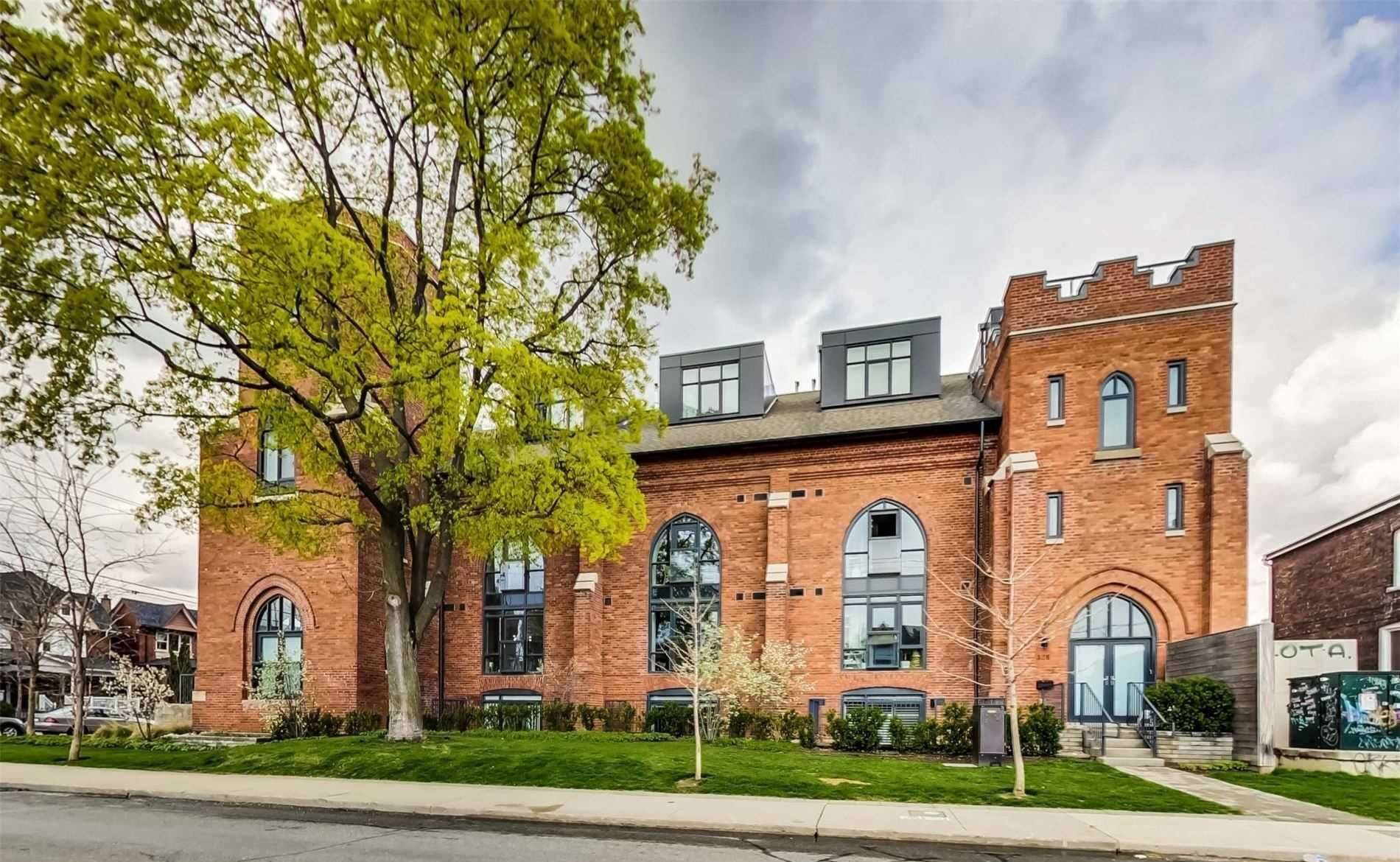
A church loft conversion takes a former place of worship — often dating back 80 to 120 years — and reimagines it as residential space. In Toronto, these projects are usually boutique in scale, sometimes with fewer than 20 units total.
What draws buyers in is obvious the moment you walk inside: soaring vaulted ceilings, stone or brick walls, original wood trusses, arched windows, and in some cases, preserved stained glass. These are spaces that feel special.
That said, church lofts are also shaped by what already exists. Floor plates, ceiling heights, window placement, and structural elements are largely dictated by the original building. As a result, layouts tend to be more fixed and less flexible.
For a deeper look at specific buildings and conversions, see our guide to Church Loft Conversions in Toronto.

What Is a Hard Loft Conversion?
Hard lofts are created from former industrial buildings — factories, warehouses, manufacturing plants, and sometimes commercial bakeries or print shops. Most date back to the early-to-mid 20th century, particularly in neighbourhoods like Liberty Village, King West, Leslieville, and the Junction.
The defining features are industrial: exposed concrete, steel beams, brick walls, massive factory windows, and wide, open floor plans. Unlike church lofts, hard lofts were often large, rectangular spaces designed for efficiency — which translates well to residential living.
Hard lofts typically offer more layout flexibility and are easier to renovate over time. It’s not uncommon to see owners reconfigure bedrooms, kitchens, and workspaces as their needs evolve.
For a broader breakdown, explore our Toronto Hard & Soft Lofts Guide.

Church Lofts vs Hard Lofts: A Side‑by‑Side Comparison
| Feature | Church Loft Conversion | Hard Loft Conversion |
|---|---|---|
| Original Use | Place of worship | Factory / warehouse |
| Typical Scale | Boutique, low unit count | Medium to large buildings |
| Ceiling Heights | Extremely high, often vaulted | High but more uniform |
| Layout Flexibility | Limited | High |
| Architectural Details | Stained glass, stone, arches | Brick, concrete, steel |
| Heritage Restrictions | Common and often strict | Less restrictive |
| Renovation Freedom | Limited by structure & heritage | Generally more flexible |
| Condo Fees | Can be higher due to building complexity | Often more predictable |
| Buyer Profile | Emotion‑driven, long‑term owners | Lifestyle‑focused, urban buyers |
| Resale Pool | Niche but passionate | Broader market appeal |
Design & Architecture: Old‑World Grandeur vs Industrial Edge
Design is where the emotional split really happens.
Church lofts lean into history. They feel dramatic, almost gallery‑like, and there’s a sense of permanence to the architecture. Buyers who choose them often talk about the feeling the space gives them rather than pure functionality.
Hard lofts, by contrast, feel urban and practical. The beauty comes from raw materials and scale rather than ornamentation. Exposed concrete and brick create a backdrop that can adapt to different furniture styles, artwork, and renovations over time.
Neither is better — but they appeal to very different personalities.
Layout & Livability: Day‑to‑Day Reality
One of the biggest surprises for first‑time loft buyers is how differently these spaces live.
Church loft layouts are often vertical, with mezzanines or split levels. Bedrooms may overlook living areas, and privacy can be limited. Storage is sometimes creative rather than abundant. These homes reward buyers who value atmosphere over efficiency.
Hard lofts tend to be more forgiving. Larger floor plates make it easier to carve out proper bedrooms, home offices, and storage. Ceiling heights are still generous, but the overall space usually feels more balanced for daily living.
We often see buyers initially drawn to church lofts emotionally, then gravitate toward hard lofts once they start thinking about how they’ll actually use the space every day.
Heritage Designation & Renovation Limits (Toronto‑Specific)
Many church lofts in Toronto are heritage‑designated. While this protects the character of the building, it also limits what owners can change — especially when it comes to windows, exterior elements, and sometimes interior features tied to the original structure.
Hard lofts may also be heritage buildings, but restrictions are usually lighter and focused on exterior façades. Interior renovations are typically far more straightforward.
Before buying, it’s critical to understand what is and isn’t allowed. This is one area where due diligence can save buyers from frustration later.
Maintenance, Condo Fees & Ownership Reality
Church lofts often operate with smaller condo corporations and highly customized buildings. Roofs, stonework, specialty windows, and aging systems can all translate into higher maintenance costs or special assessments over time.
Hard loft buildings tend to have more standardized systems and larger reserve funds, simply due to scale. Fees are often easier to predict, though they can still vary widely depending on amenities and building condition.
Neither option is inherently risky — but expectations should be realistic.
Who Each Loft Type Is Best For
A Church Loft Might Be Right If…
- You value architecture and history over layout efficiency
- You want a truly one‑of‑a‑kind home
- You’re buying for long‑term enjoyment, not frequent renovations
- You’re comfortable with some design compromises
A Hard Loft Might Be Right If…
- You want open‑concept living with flexibility
- You plan to renovate or reconfigure over time
- You prefer a more urban, industrial aesthetic
- You want a broader resale audience down the road
Toronto FAQs: Church Lofts vs Hard Lofts
Are church lofts harder to resell?
They appeal to a narrower audience, but buyers who want them are usually highly motivated.
Do church lofts always have higher condo fees?
Not always, but unique building systems can increase costs over time.
Can I renovate a church loft unit?
Interior changes are often limited. Always review heritage restrictions first.
Which holds value better long‑term?
Both can perform well. Hard lofts tend to be more liquid; church lofts rely more on emotional demand.
Ready to Explore Loft Options in Toronto?
Drawn to character and history? Explore current church loft conversions for sale in Toronto and see what makes these homes truly unique.
Prefer flexibility and an industrial edge? Browse Toronto hard lofts for sale and compare layouts, neighbourhoods, and price points.
If you’re not sure which direction makes sense, that’s normal. The right choice often becomes clear once you walk a few buildings and experience the difference firsthand.
For sale in Toronto
Luxury homes.


Still have questions?
Send us a message.
We’ll get back to you quickly.
Keep reading
More buying advice.


Have a question
Get a straight answer from our team.
Ask us anything about buying or selling in Toronto.