


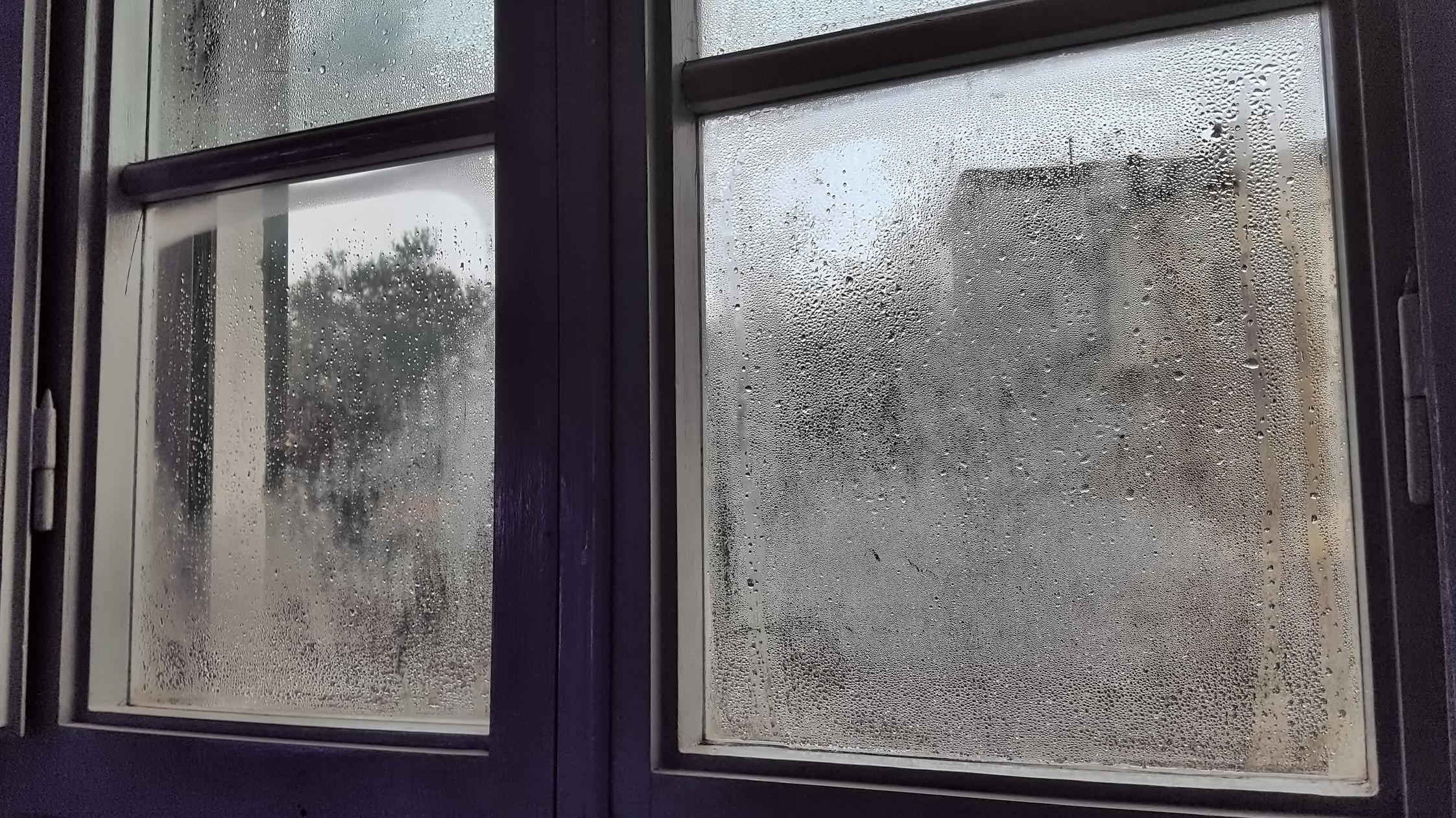
Every winter, condo owners across Toronto notice the same thing: moisture forming on the inside of their windows. Sometimes it’s a light film. Other times it’s beads of water collecting along the frame or pooling at the corners.
The immediate reaction is often concern — are the windows failing, is there a building issue, or is something wrong with the unit? In reality, winter window condensation is one of the most common cold-weather conditions in condos, and in many cases, it’s a predictable result of how modern buildings, windows, and indoor air behave during colder months.
Understanding what’s normal, what isn’t, and what you can control goes a long way in preventing damage and unnecessary stress.

What Causes Condensation on Condo Windows in Winter
Condensation occurs when warm, moisture-filled indoor air comes into contact with a cold surface. In winter, your window glass and frames are often the coldest surfaces in your unit. When humid air hits that cold surface, moisture drops out of the air and turns into water.
Condo buildings tend to amplify this effect for a few reasons:
- Large expanses of glass are common in modern designs
- Aluminum window frames conduct cold more readily than other materials
- Condos are built to be relatively airtight, which limits natural moisture escape
The colder it gets outside, the colder the interior surface of the window becomes — increasing the likelihood of condensation forming.
Is Condensation on Condo Windows Normal?
In short: yes, some condensation in winter is normal.
Seeing moisture on windows during cold snaps does not automatically mean your windows are defective or that there’s a construction issue. In fact, newer and more energy-efficient buildings can experience condensation more frequently because they trap warm, humid air more effectively than older, draftier structures.
That said, there’s an important distinction between occasional condensation that clears and persistent moisture that lingers or worsens.
Why Some Condo Units Experience It More Than Others
Not all condo units experience condensation the same way. Several factors influence how much moisture shows up on windows:
- Window orientation: North-facing units tend to have colder glass due to limited sun exposure
- Floor level: Lower floors can be more sensitive to ventilation disruptions
- Window type: Sliding windows often show condensation along tracks and frames
- Air circulation: Units with restricted airflow see moisture accumulate faster
This is why it’s common to hear multiple owners in the same stack or orientation report similar issues.

The Role of Humidity — What Condo Owners Often Miss
Relative humidity is the single biggest driver of condensation in winter.
Many condo owners aim for a “comfortable” humidity level year-round, not realizing that acceptable indoor humidity must drop as outdoor temperatures fall. What feels comfortable at 0°C outside may be far too high during a -15°C cold snap.
As a general guideline, indoor humidity targets should drop as outdoor temperatures fall:
| Outdoor Temperature | Recommended Indoor Humidity Range |
|---|---|
| Around 0°C | 35–45% |
| Around -10°C | 30–40% |
| Around -20°C | 15–30% |
These ranges reflect typical condo window performance in winter and help reduce the risk of condensation forming on glass and frames.
Everyday Activities That Quietly Increase Condensation
Many of the biggest contributors to winter condensation are everyday activities that don’t feel excessive on their own. Long hot showers, frequent cooking, running laundry, or using a dryer all add moisture to the air. Humidifiers set a little too high and multiple houseplants — especially when placed near windows — can further increase localized humidity.
Even layout choices matter. Furniture, blinds, or curtains positioned tight to glass restrict warm air from circulating across window surfaces, allowing the glass to stay colder and encouraging moisture to form. Over time, these small contributors can combine to push indoor humidity past safe winter levels.
Ventilation Matters More Than Most Owners Realize
Ventilation plays a critical role in managing moisture.
Bathroom and kitchen exhaust fans aren’t just for odours — they remove humidity. In winter, fans often need to run much longer than expected. It can take hours after a shower for moisture levels to return to baseline.
Make-up air supplied through corridors also matters. That dry winter air helps flush moisture from your suite. Sealing suite doors or blocking airflow can unintentionally trap humidity inside.
When Condensation Becomes a Real Problem
Condensation deserves closer attention when it becomes persistent or starts causing secondary issues. Moisture that continues even after humidity has been reduced, regular pooling or dripping water, staining on frames or drywall, or recurring mold growth are all signs that something more than seasonal condensation may be happening.
Issues that worsen during ventilation outages or appear to affect finishes, window assemblies, or neighbouring units often point to air-balance or ventilation concerns rather than simple lifestyle-related moisture.
Practical Steps Condo Owners Can Take Right Now
The most effective approach is consistent, measured adjustment rather than drastic changes. Monitoring indoor humidity with a reliable hygrometer allows owners to respond as outdoor temperatures fluctuate. Using bathroom and kitchen exhaust fans during — and well after — moisture-producing activities helps remove humidity before it can settle on cold surfaces.
Keeping windows unobstructed, avoiding plants or furniture tight to glass, and opening blinds during the day allows warm air to circulate and encourages evaporation. When condensation does appear, wiping it away promptly helps prevent staining, deterioration, and mold growth.
When to Involve Property Management
Property management should be involved when condensation persists despite reasonable humidity control or begins to show patterns beyond a single unit. Issues that appear across multiple floors, stacks, or during known ventilation disruptions suggest a building-level concern rather than an isolated lifestyle issue.
Providing clear documentation — including timing, outdoor temperatures, humidity readings, and photos — helps management and HVAC professionals determine whether ventilation, air balance, or system performance requires attention.
What Condo Owners Should Take Away
Winter window condensation is common in Toronto condos, especially during prolonged cold weather. In most cases, it comes down to managing the balance between indoor humidity, temperature, and ventilation — not failing windows or poor construction.
Knowing what’s normal, adjusting habits as temperatures change, and acting early when moisture becomes persistent can help protect your unit, finishes, and long-term value.
If you’re actively thinking about buying, selling, or upgrading within the condo market, it’s also worth understanding how building performance, ventilation, and maintenance can differ from one property to the next.
Looking for your next place? Explore a few of the neighbourhoods we specialize in and see what’s available across Toronto — and if you have questions about how a building actually lives day-to-day, we’re always happy to talk it through.


