


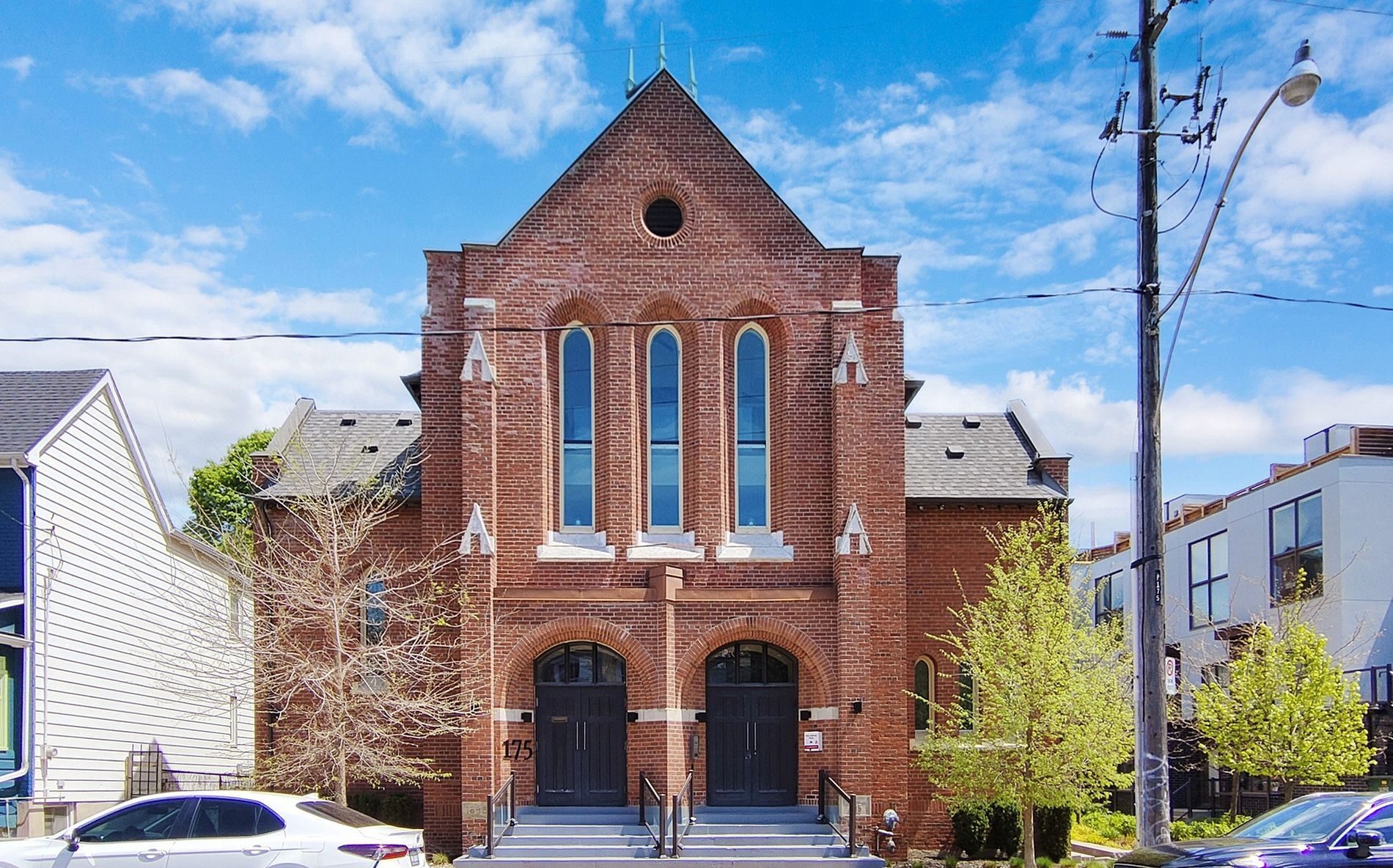
Why Church Lofts Have Become Toronto’s Most Sought‑After Homes
Toronto has no shortage of condo options—but church lofts? Those are in a category of their own. Their appeal comes from a blend of history, architecture, and sheer scarcity. With only a limited number of former churches converted into housing, the supply stays tight while demand stays strong. It’s why these spaces attract everyone from creatives to downsizers looking for something with soul.
If you’re just starting your search, our full roundup of Church Loft Conversions in Toronto is a great place to explore what’s out there.
Explore Current Church Loft Listings in Toronto
One of the best ways to get a feel for what church loft living is really like is to browse the latest listings on the market. Because these homes are so rare, availability changes quickly—but when a special one hits the market, it’s worth seeing in person.
-
PH 2 225 Brunswick Avenue in Toronto: University Condo for sale (Toronto C01) : MLS®# C12729240
PH 2 225 Brunswick Avenue Toronto M5S 2M6  $1,395,000Residential Condo & Other
- Status:
- Active
- MLS® Num:
- C12729240
- Bedrooms:
- 1
- Bathrooms:
- 2
The final 1 bedroom Penthouse at Brunswick Lofts! A bright and modern corner Penthouse with private terrace in the trees in a rare boutique building in the heart of the Annex. This sun-filled and stylish suite offers a generous floorplan of almost 1,100 square feet, in a just-completed heritage conversion of only seven suites. Spanning two levels, this west Penthouse features a private entry with foyer and offers exceptional volume, tremendous attention to modern details and a one-of-a-kind roofline that creates a unique double-height living room flooded with natural light. A custom kitchen with white oak cabinetry, natural stone surfaces, integrated Miele appliances, gas cooktop, oversized island with wine fridge perfect for avid chefs and great entertaining. Upstairs, the quiet primary suite features tailored built-ins and a bright ensuite with soaker tub and shower. Main floor powder room, great storage and the warmth and elegance of loft living. Parking by street permit, and steps to Bloor, Harbord Village, U of T and transit. Heritage architecture and contemporary craftsmanship in an outstanding location. HST included, and full Tarion warranty. More detailsListed by RIGHT AT HOME REALTY- MARK SAVEL
- SAGE REAL ESTATE LTD., BROKERAGE
- 1 (647) 2916328
- Contact by Email
-
306 701 Dovercourt Road in Toronto: Palmerston-Little Italy Condo Apartment for sale (Toronto C01) : MLS®# C12828758
306 701 Dovercourt Road Toronto M6H 0A1
$1,369,000Residential Condo & Other- Status:
- Active
- MLS® Num:
- C12828758
- Bedrooms:
- 2
- Bathrooms:
- 2
Welcome to Suite 306 at The Church Lofts, a boutique hard loft conversion completed in 2010 within a restored 1901 neo-Gothic church. A rare opportunity to own one of just 28 residences, this distinctive building blends preserved architectural character with modern design in one of Toronto's most dynamic west-end neighbourhoods.The building's impressive entrance opens into a striking central atrium crowned by a skylight, creating a dramatic sense of volume and light. The experience of arriving home is both architectural and atmospheric, a memorable feature that sets the tone from the moment you enter. Offering approximately 1,160 interior square feet and 156 square feet of exterior living space across multiple levels, this two-bedroom, two-bathroom residence is defined by exceptional proportions and authentic hard loft detailing. Soaring 19-foot ceilings, exposed brick walls, and six skylights create an airy, light-filled interior. The suite's one-of-a-kind stained glass windows serve as a remarkable focal point, preserving the building's historic character while adding warmth and artistry to the living space. Recent updates include fresh paint throughout, a new dishwasher, and newly installed solar blinds. Wood flooring runs throughout, complementing the loft's architectural elements with a cohesive finish. Two private outdoor patios extend the living space and offer inviting outdoor retreats. The functional multi-level layout provides well-scaled bedrooms and two full bathrooms, well-suited to both everyday living and entertaining. One parking space and a private locker are included. Ideally located steps to Dufferin Grove and Christie Pitts parks. Enjoy restaurants, bars and amenities along Bloor and College Street. Quick access to TTC and public transit. More detailsListed by HARVEY KALLES REAL ESTATE LTD.- MARK SAVEL
- SAGE REAL ESTATE LTD., BROKERAGE
- 1 (647) 2916328
- Contact by Email
-
107 152 Annette Street in Toronto: Junction Area Condo Apartment for sale (Toronto W02) : MLS®# W12764090
107 152 Annette Street Toronto M6P 1P4
$789,900Residential Condo & Other- Status:
- Active
- MLS® Num:
- W12764090
- Bedrooms:
- 2
- Bathrooms:
- 1
Award winning Victoria Lofts transformed a 19th Century Church and Schoolhouse (formerly the Victoria Royce Presbyterian Church) into one of our city's most desired addresses at 152 Annette while maintaining it's original heritage architecture and integrity. Sought after yet rarely offered, this 825 SF 1 Bedroom + Den features soaring ceilings of more than 10' throughout the principal living areas, large windows with lots of light and exposed duct work in an open concept hard loft with an 153 SF terrace ideal for a quiet city escape. Stainless steel appliances and a generous kitchen island afford lots of space for prepping your next great meal. As well, the terrace features a gas line hookup for BBQ and Summer dining. The grounds are well maintained with lush landscaping. Updates include new flooring and appliances. A block away, the Junction neighbourhood offers a one stop destination for groceries, dining, antiques, clothing and much more. With highlights such as the Sweet Potato grocery store, Botham's restaurant, Coal Miner's Daughter womenswear and Mrs. Huizinga's antiques. A short walk south takes you to High Park, Toronto's largest park with tennis courts, pools and the famous blooming cherry blossoms each spring. Easy access to transit and a near perfect walk score. This is a hidden gem perfect for the discerning eye that holds value well beyond it's price. More detailsListed by BAKER REAL ESTATE INCORPORATED- MARK SAVEL
- SAGE REAL ESTATE LTD., BROKERAGE
- 1 (647) 2916328
- Contact by Email
-
301 456 College Street in Toronto: Palmerston-Little Italy Condo Apartment for sale (Toronto C01) : MLS®# C12850982
301 456 College Street Toronto M6G 4A3
$548,800Residential Condo & Other- Status:
- Active
- MLS® Num:
- C12850982
- Bedrooms:
- 2
- Bathrooms:
- 1
Welcome to this bright 1Br+Den apartment in the heart of the very desirable Little ITALY! South exposure, spoiled with CN Tower and downtown views. Generously sized windows fill this apartment with warmth and plenty of natural light. Very welcoming with charm and modern upgrades. Newer 2-toned kitchen cabinets with upgraded stainless steel appliances, beautiful backsplash and stone countertop. Plenty of counterspace with lots of storage. Spacious bedroom and separate den/office. Small sized building with party room, gym/exercise room, rooftop deck. Conveniently located with transit service at your door. Steps to trendy restaurants, cafes and shops. Very motivated Sellers! Sellers currently rent a parking spot in the building. More detailsListed by HOMELIFE/VISION REALTY INC.- MARK SAVEL
- SAGE REAL ESTATE LTD., BROKERAGE
- 1 (647) 2916328
- Contact by Email
-
205 456 College Street in Toronto: Palmerston-Little Italy Condo Apartment for sale (Toronto C01) : MLS®# C12887434
205 456 College Street Toronto M6G 4A3
$489,900Residential Condo & Other- Status:
- Active
- MLS® Num:
- C12887434
- Bedrooms:
- 2
- Bathrooms:
- 1
Set within a character-filled building with roots dating back to 1885, the property offers a unique ownership opportunity in a neighbourhood where opportunities like this are few and far between. This 1+den suite offers a functional layout with a spacious bedroom and separate den, ideal for a home office, guest space, or added everyday flexibility. With just under 700 square feet, it also represents one of the rare opportunities in the city to purchase this much space for under $500,000. Positioned at the corner of College and Bathurst in the heart of Little Italy, this residence combines character, value, and convenience in one of downtown Toronto's most vibrant neighbourhoods. Residents enjoy ensuite laundry, transit at the doorstep, a 99 Walk Score, and boutique amenities including a 7th floor gym, sauna, party room, and rooftop terrace with sweeping city views. Steps to acclaimed restaurants, cafés, shops, and local favourites, and just minutes to U of T, Queen's Park, the hospital district, and the downtown core, this is a compelling option for first-time buyers who want to live in one of Toronto's best locations! More detailsListed by SAGE REAL ESTATE LIMITED- MARK SAVEL
- SAGE REAL ESTATE LTD., BROKERAGE
- 1 (647) 2916328
- Contact by Email
-
203 152 Annette Street in Toronto: Junction Area Condo Apartment for lease (Toronto W02) : MLS®# W12847756
203 152 Annette Street Toronto M6P 1P4
$3,600Residential Condo & Other- Status:
- For Lease
- MLS® Num:
- W12847756
- Bedrooms:
- 2
- Bathrooms:
- 2
This Two Bedroom, Two Bathroom Condo Is Located In The Historical Victoria Church Loft Conversions! A Unique Place To Live, Mixing Historical Charm With Modern Luxury. Easy Access To Both Junction, And Bloor West Village Neighbourhoods. This Exclusive Loft Conversion In A Victorian Church Offers A Spacious Two Bedroom Setup, Perfect With High Ceilings, Big Windows And Lots Of Natural Light. The Primary Bedroom Features A 4-piece Ensuite And Custom Closet Organizers, With Plenty Of Storage. The Open Concept Kitchen Is Complete With Granite Counters, A Breakfast Bar, And Stainless Steel Appliances. Private Balcony With Tree Views, BBQs Are Allowed! Parking And Storage Locker Included. More detailsListed by SUTTON GROUP OLD MILL REALTY INC.- MARK SAVEL
- SAGE REAL ESTATE LTD., BROKERAGE
- 1 (647) 2916328
- Contact by Email
-
404 456 College Street in Toronto: Palmerston-Little Italy Condo Apartment for lease (Toronto C01) : MLS®# C12781936
404 456 College Street Toronto M6G 4A3
$3,100Residential Condo & Other- Status:
- For Lease
- MLS® Num:
- C12781936
- Bedrooms:
- 2
- Bathrooms:
- 2
Experience the ultimate urban lifestyle at The Channel Club, situated at the vibrant intersection of College and Bathurst. This exceptionally large and spacious 930 sq. ft. suite offers a bright and sunny atmosphere in the very heart of Little Italy. The layout features a large master bedroom and a versatile, enclosed den/sunroom with a door that functions perfectly as a second bedroom or a private home office. The unit also includes 1.5 bathrooms and a full ensuite laundry. The interior is built for those who love to cook , boasting a large eat-in kitchen with a dishwasher and a separate, dedicated dining room. Storage is never an issue here, as the suite includes three closets, an ensuite storage room, and an additional locker. For those who value outdoor space, the quiet, West-facing covered balcony provides a stunning view and a peaceful retreat from the city's energy. Your rental also includes a secured underground parking spot for total peace of mind. Beyond the suite, residents enjoy premium building amenities including a gym, a rooftop patio, and a recreation room/library, all protected by a comprehensive security system. This location is truly unbeatable with a Walk Score of 97 and a Transit Score of 98. You are steps away from the University of Toronto, the eclectic shops of Kensington Market, and the vibrant culture of Chinatown. With the College and Bathurst streetcars at your doorstep, you have a direct route to Bathurst Station and the rest of the city. This unfurnished, smoke-free, and pet-free sanctuary is the perfect place to call home. You are steps away from the University of Toronto, the eclectic shops of Kensington Market, and the vibrant culture of Chinatown. With the College and Bathurst streetcars at your doorstep, you have a direct route to Bathurst Station and the rest of the city. This unfurnished, smoke-free, and pet-free sanctuary is the perfect place to call home. More detailsListed by CENTURY 21 LEADING EDGE REALTY INC.- MARK SAVEL
- SAGE REAL ESTATE LTD., BROKERAGE
- 1 (647) 2916328
- Contact by Email
-
509 456 College Street in Toronto: Palmerston-Little Italy Condo Apartment for lease (Toronto C01) : MLS®# C12865334
509 456 College Street Toronto M6G 4A3
$2,995Residential Condo & Other- Status:
- For Lease
- MLS® Num:
- C12865334
- Bedrooms:
- 1
- Bathrooms:
- 1
Standout Boutique condo at College & Bathurst in the heart of Little Italy! Spacious 1-bedroom corner suite with parking featuring a bright, functional layout and floor-to-ceiling windows with spectacular southeast city skyline views. Modern kitchen with stainless steel appliances and breakfast bar-perfect for everyday living or entertaining. Ensuite laundry. Located in the Channel Club, just steps to top restaurants, cafes, independent shops, grocery stores, U of T, and public transit. Exceptional walkability in one of Toronto's most vibrant neighbourhoods! More detailsListed by FOREST HILL REAL ESTATE INC.- MARK SAVEL
- SAGE REAL ESTATE LTD., BROKERAGE
- 1 (647) 2916328
- Contact by Email

What Makes a Church Loft Different From a Regular Condo?
Authentic Character You Can’t Recreate
Church lofts carry features modern buildings simply don’t build anymore—vaulted ceilings, exposed beams, century-old brickwork, stained-glass windows, and dramatic open spaces. Some great examples across the city include:
- Victoria Lofts – 152 Annette St
- Glebe Lofts – 660 Pape Ave
- Arch Lofts – 243–245 Perth Ave
- Park Lofts – 200 Annette St
- College Street United Church Lofts – 456 College St
- Saint Leslieville Church Lofts – 175 Jones Ave
- Sunday School Lofts – 14 Dewhurst Blvd
Every one of these buildings has a completely different feel, which is part of the magic—and part of the challenge. No two floor plans are alike.
Unit Variability (And Why No Two Lofts Are the Same)
One of the most exciting—and occasionally challenging—aspects of buying a church loft is that layouts follow absolutely no rules. Instead of predictable floor plans stacked neatly across a tower, each unit is shaped by the original architecture of the church itself. That means you might find a mezzanine bedroom suspended above the living area, a kitchen tucked beneath century-old trusses, or a dramatic wall of restored brick that turns a simple hallway into a focal point. Windows may appear in unconventional places—arched, circular, stained glass, or set high above eye level—each contributing a different quality of natural light.
Rooms may have unexpected proportions, sweeping ceiling heights, cozy alcoves, or angled corners you won’t see in a typical condo. For buyers who love character, these quirks aren’t drawbacks—they’re the whole point. Every unit tells a story, and the individuality baked into these conversions is exactly what makes living in a church loft feel so personal and one-of-a-kind.

Heritage Considerations Every Buyer Should Understand
Heritage Designation Levels & What They Mean
In Toronto, many church loft conversions fall under the City’s Heritage Register, which shapes how the building can evolve over time. A listing on the Heritage Register doesn’t freeze a property in place, but it does mean that any proposed changes—especially to the exterior—must be reviewed by Toronto’s Heritage Planning team.
Elements like original brickwork, arches, rooflines, stained-glass windows, and stone detailing are often protected, ensuring the character of the streetscape remains intact. Some buildings are fully designated, meaning even certain interior architectural features may be preserved, while others are simply listed, giving the City the ability to evaluate alterations before they happen. For buyers, the key takeaway is simple: renovations may still be possible, but they require proper approvals and often specialized trades familiar with heritage conservation.
Helpful reference:
- Ontario Heritage Act (Government of Ontario)
- Toronto Heritage Register (City of Toronto)
Renovation Restrictions (Especially in True Conversions)
Heritage renovations require time, patience, and often specialized trades. Stained-glass restoration, masonry conservation, and wood beam reinforcement are not your average condo reno projects. Buyers planning upgrades should understand the process early.
The Structural Checklist: What to Inspect Before You Offer
Rooflines, Trusses & Insulation
Those soaring ceilings come with real engineering behind them. Some lofts have spray-foam insulation; others retain original rafters with added thermal layers. Temperature balance can vary from unit to unit—worth checking during a showing.
Windows, Stained Glass & Maintenance Costs
Stained-glass windows are stunning, but repairs can be pricey. Replacement isn’t always straightforward if the building is protected under the Heritage Act. A healthy reserve fund is essential.
Plumbing, Electrical & Mechanical Systems
Most conversions overhaul major systems, but not all do it equally. Inspectors should look for:
- Updated wiring and electrical panels
- Modern plumbing stacks
- Recently serviced HVAC systems
Because these buildings are small, many rely on boutique contractors, which can increase costs.

Understanding the Condo Corporation in a Church Loft
Church loft conversions in Toronto almost always operate as boutique condo corporations, which means their financial structure and long‑term planning can look very different from what buyers might expect in a larger, more conventional condo.
With fewer residents contributing to the reserve fund, these buildings often have tighter budgets and a higher sensitivity to upcoming repairs—especially when it comes to heritage materials like brick masonry, stained-glass windows, or century‑old rooflines that require specialized trades. A close review of the status certificate becomes essential, not just to understand the reserve fund balance, but to get clarity on past or pending special assessments, insurance costs, and any major restoration work scheduled for the next few years.
Parking and storage can also be limited, since most churches weren’t originally designed with underground infrastructure in mind. Altogether, buyers should think of these buildings as small communities: charming, character-filled, and deeply unique—but requiring a more thoughtful look at the condo corporation’s health before making an offer. Some owners rely on street permits or creative solutions.
Market Trends: How Church Lofts Perform Over Time
Why Scarcity Drives Value
Church conversions are rare—and they aren’t building more of them. That limited supply keeps values strong and resale demand healthy. Even in slower markets, unique lofts tend to outperform because they attract a very specific buyer pool.
How TorontoLivings Has Seen This Play Out First-Hand
Our team knows firsthand how rare homes resonate with Toronto buyers. A great example: we sold the entire Heritage Towns At Hallam development at 1183 Dufferin—a boutique project where character and location demand. The same principles apply to the church lofts we have in the city.
Competitive Offer Situations
When the right loft hits the market, it moves quickly. Serious buyers should have financing ready and a strong grasp of the building’s history and financials.
Final Thoughts: Why Church Lofts Remain One of Toronto’s Most Captivating Home Types
Church lofts sit at the intersection of history, architecture, and personal expression. They’re rare, dramatic, and deeply individual—perfect for buyers looking for something that feels less like a condo and more like a story.
If you’re ready to explore the best lofts available today, start with our full guide to Church Loft Conversions in Toronto or reach out—we’d be happy to walk you through the truly special ones!


