


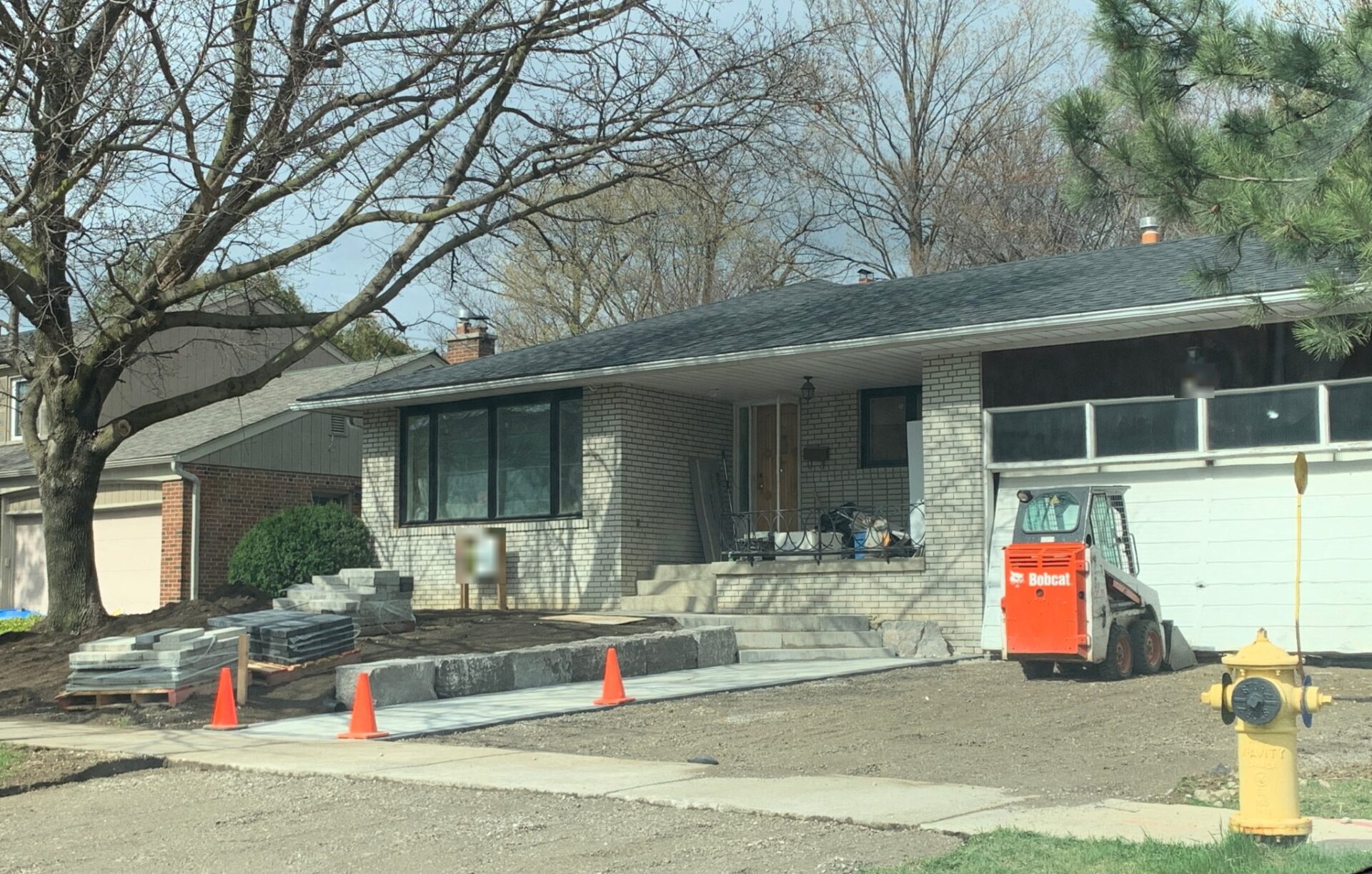
Renovating a Tenanted Home in Toronto? What Changed With the N13.

Since September 21, an Ontario landlord who ends a tenancy to renovate has new duties to the tenant who wants to move back in. They have to keep the tenant posted in writing on when the work will be done, and give them at least 60 days to return once it is. The changes came through the Landlord and Tenant Board (LTB) under Bill 60 and Bill 97.
In Toronto, there’s a second layer that many owners don’t know about. Since July 31, 2025, the City has required its own licence for renovations that need a tenant to move out, and it comes with payments of its own.
If you’re buying a tenanted house to renovate, or planning major work on a rental you already own, here’s how the N13 works now and what the City adds on top.
What an N13 Requires

An N13 is the LTB form a landlord uses to end a tenancy to demolish a unit, convert it to a non-residential use, or do repairs so extensive that they need a building permit and an empty unit. A new kitchen or fresh paint doesn’t qualify. According to the LTB’s Interpretation Guideline 12, both conditions have to be met: a permit is required, and the tenant can’t stay while the work is done.
The notice period is long. The termination date has to be at least 120 days after the notice is given, and on the last day of the lease term or rental period. Serve an N13 on November 10 for a month-to-month tenancy and the earliest date is March 31, 2027. The tenant can still leave earlier by giving you 10 days’ written notice.
Permits come first, too. The Board won’t end the tenancy unless you’ve obtained the permits you need by the hearing, or shown that you’ve taken every reasonable step and the permits can’t be issued until the unit is empty. In Toronto, the City’s licence (below) counts as one of those approvals.
Then there’s compensation, which depends on the size of the building and whether the tenant plans to come back:
| Situation | Fewer than 5 units | 5 or more units |
|---|---|---|
| Tenant not moving back | 1 month’s rent | 3 months’ rent |
| Tenant moving back | 1 month’s rent, or less if the work takes less than a month | 3 months’ rent, or less if the work takes less than 3 months |
| Demolition or conversion | 1 month’s rent | 3 months’ rent |
Instead of paying, you can offer another unit the tenant accepts. Any payment is due by the termination date.
The Right to Move Back In Now Comes With Paperwork
A tenant who gets an N13 for renovations has always had the right to move back in once the work is done, at the same rent they paid before. To use it, they tell you in writing before they move out, and keep you updated if their address changes.
What’s new is what you owe them in return. If a tenant gives that written notice on or after September 21, you have to tell them in writing, without delay, when you expect the unit to be ready. If that date changes, you tell them again. And when the work is finished, you tell them it’s ready. For units ready on or after September 21, you also have to give the tenant at least 60 days to move back in.
That’s the part that catches people. Miss any of those steps and the law treats it as if you refused to let the tenant return, even if you meant to. Gowling WLG’s summary of the new LTB rules suggests building these notices into the construction schedule from the start, and keeping copies of every one.
Toronto Adds Its Own Licence
In Toronto, serving an N13 for renovations starts a second process with the City. According to the City’s information for landlords, you have to apply for a Rental Renovation Licence within seven days of serving the notice. It applies even when the tenant plans to come back, and each unit needs its own licence. The fee is $728 per unit in 2026.
Before you apply, you need your building permits in hand and a report from an architect or engineer confirming the unit has to be empty for the work. Since the seven-day clock starts when you serve the N13, that means having permits before you serve it. The City then sends you a notice to post on the tenant’s door, and the tenant gets 14 days to learn about the process. After that, you and the tenant sign a form saying whether they plan to return.
What happens next depends on that answer. If the tenant is coming back, you either provide comparable temporary housing at a similar rent or make monthly rent-gap payments while they find their own, based on CMHC average rents for newer buildings. If the tenant isn’t coming back, you pay three months of rent-gap payments before the licence is issued. Either way, there’s a one-time moving allowance of $1,500 for a studio or one-bedroom and $2,500 for two bedrooms or more.
The licence lasts 12 months, and it has to be posted at the property while the work is underway. If the job runs longer, you apply again. The City says it takes an education-first approach, but inspectors can issue orders or lay charges.
Planning a Multiplex Conversion?

With fourplexes now allowed on most residential lots in Toronto, and new financing rules for multiplexes coming in February, more buyers are looking at tenanted houses with an eye to adding units. That’s where the line between a renovation and a demolition starts to matter.
Why? A renovation gives the tenant the right to move back into their unit afterwards, at the same rent. A demolition doesn’t, because the unit no longer exists. The Divisional Court has agreed with the Board that combining two rental units into one larger unit can count as a demolition, so the answer depends on what actually happens to the tenant’s unit.
The City draws its own line too. Its licence covers renovations only, and it notes that changing the number of units or bedrooms in a building with six or more units may be treated as a demolition, which brings separate City rules. If your plans change any existing unit, get advice on which side of that line you’re on before you serve anything. One more note: turning a unit into a short-term rental isn’t a conversion to non-residential use, so it can’t be the basis for an N13.
Tenants Have Longer to File
If a tenant who asked to move back in isn’t given that chance, they can apply to the Board with a T5. Since September 21, the deadline is the later of two years after they moved out or six months after the work is finished. On a long project, that means your exposure can run past the two-year mark.
The usual bad-faith rule still applies on top of that. If a former tenant believes the renovation was never really going to happen, they have one year after moving out to file. If they win, the Board can order the landlord to cover the difference in rent for a year, moving costs, general compensation of up to a year’s rent and an administrative fine.
In other words, keep the file open long after the tenant leaves: the N13, permits, the City licence, every written update to the tenant and proof of when the work was finished.
What’s Next?

Will the new paperwork slow down renovations of tenanted homes, or mostly make the good-faith ones easier to prove? It’s a trend to watch, especially as more owners look at adding units. We’ll share what we see as the first cases come through.
If you’re weighing your options for a rental, two related posts may help: what changed for owners moving back into a rental property, and what to know when a tenant falls behind on rent.
Buying a tenanted house with plans to renovate, or thinking about selling one? Get in touch with our team and we’ll help you work out the timing.
This post is general information and isn’t legal advice. Before serving an N13 or applying for a City licence, speak with a licensed paralegal or lawyer about your situation.
For sale in Toronto
Luxury homes.


Still have questions?
Send us a message.
We’ll get back to you quickly.
Keep reading
More selling advice.


Have a question
Get a straight answer from our team.
Ask us anything about buying or selling in Toronto.