


Ontario’s 2027 Rent Increase Guideline: 1.9%, and What Landlords Can and Can’t Charge.

Almost every week, a renter we’re working with asks us the same thing: can we only look at buildings built before 2018? They’ve heard the words “rent control” and want to know their rent won’t jump at renewal. With new purpose-built rental buildings opening across the city, it’s a question we answer more often every year.
Here’s the number behind it. According to the Government of Ontario’s residential rent increases page, the rent increase guideline for 2027 is 1.9%, down from 2.1% in 2026. It’s the most a landlord can raise most tenants’ rent in 2027 without approval from the Landlord and Tenant Board.
Below, we walk through how that number is set, which units it covers, and the Form N1 rules every landlord has to follow. Whether you rent or you own a rental, it’s worth knowing both sides of the lease.
What Is the 2027 Rent Increase Guideline?
The guideline is 1.9% for any increase that takes effect in 2027. It’s a ceiling, not a requirement. A landlord can raise the rent by less than 1.9%, or not at all.
How the Province Sets It
The number comes from the Ontario Consumer Price Index, Statistics Canada’s measure of how much prices are rising. According to the province, it uses the 12 months from June to May to set the guideline for the following year. In other words, the 2027 figure reflects inflation up to May 2026.
There’s also a ceiling on the ceiling. By law, the guideline can’t go above 2.5%, however high inflation runs. That cap was in play three years in a row, from 2023 to 2025.
Recent Years at a Glance
At 1.9%, the 2027 guideline is the lowest since 2022, and the second year in a row it has come down.
| Year | Rent increase guideline |
|---|---|
| 2027 | 1.9% |
| 2026 | 2.1% |
| 2025 | 2.5% |
| 2024 | 2.5% |
| 2023 | 2.5% |
| 2022 | 1.2% |
| 2021 | 0% (rent freeze) |
| 2020 | 2.2% |
Source: Government of Ontario, as of November 9, 2026. The 2021 freeze was a pandemic measure; otherwise, the guideline would have been 1.5%.
Does the Guideline Apply to Your Unit?

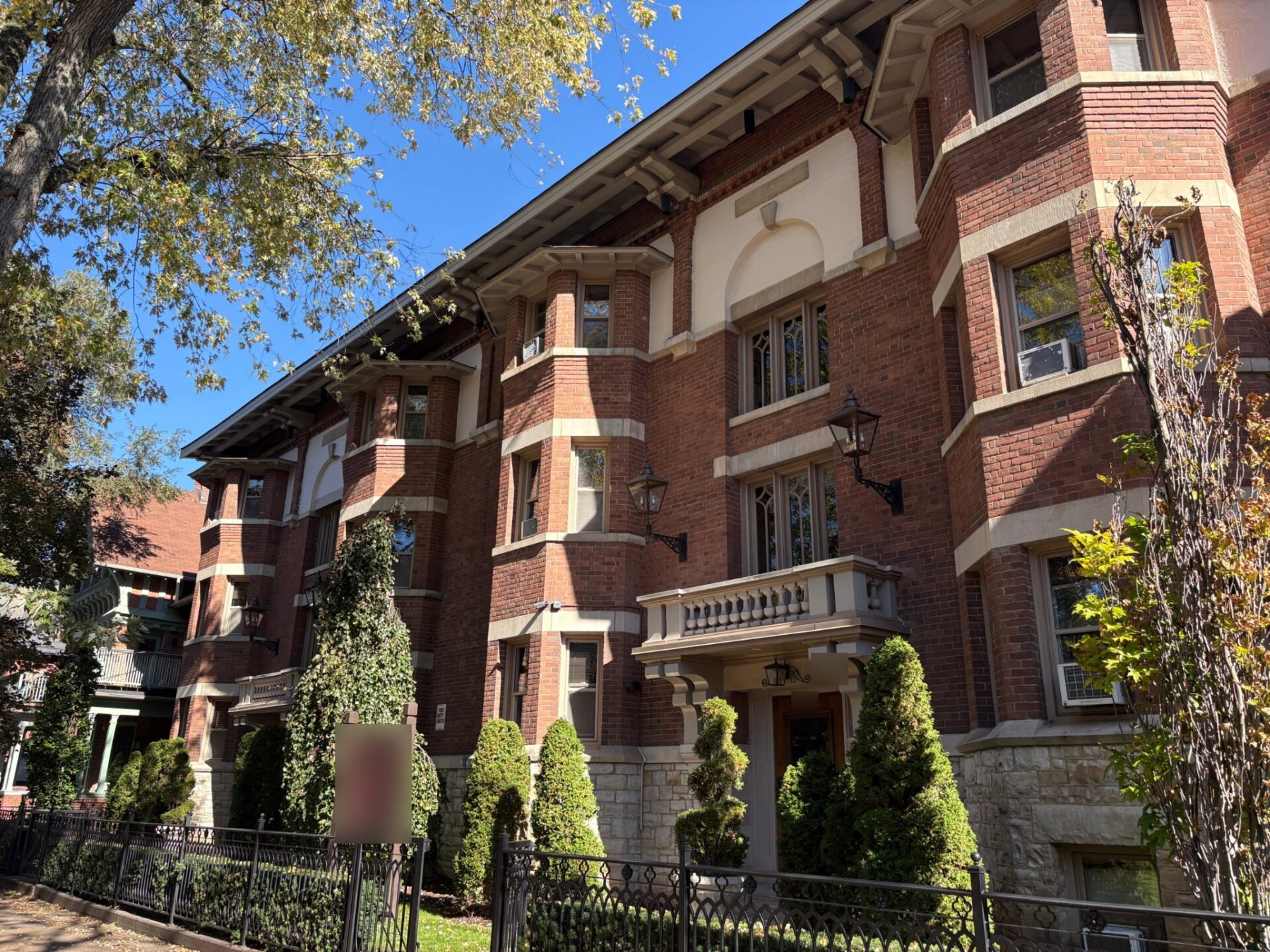
Older apartment towers like these were first occupied long before November 15, 2018, so most units in them fall under the guideline.
Most private rentals in Ontario are covered: rented houses, apartments, basement apartments and condos. The key date is November 15, 2018. Units first occupied for residential use after that date are exempt, including new buildings, additions to existing buildings and most new basement apartments.
In an exempt unit, there’s no cap on how much the rent can rise at renewal. The 12-month and 90-day notice rules below still apply, but the percentage is up to the landlord and the market.
That’s the part we make sure our renter clients understand before they tour. Toronto’s new purpose-built rental buildings can look and feel like long-term homes, with on-site management and good amenities, and still have no rent control at all. If a predictable rent matters more to you than the newest finishes, a building first occupied before that date can be worth the trade-off. We explain how the exemption works, and how to check a building’s status, in our guide to rent control exemptions in Toronto.
Two Things the Guideline Never Covers
The guideline only limits increases during a tenancy. When a unit changes hands, the landlord and the new tenant can agree on any starting rent. The guideline also doesn’t apply to community housing, long-term care homes or commercial space.
For Landlords: Keep Your Proof
If a tenant disputes an exemption, it’s on the landlord to prove the unit was first occupied after November 15, 2018. The province suggests keeping building permits, occupancy permits, new home warranty documents and paperwork from the builder. It also suggests noting the exemption as an additional term in section 15 of Ontario’s standard lease.
The Rules Every Increase Has to Follow

Covered or exempt, every increase needs 12 months between raises and 90 days’ written notice.
For a unit covered by the guideline, a lawful increase has to clear three bars. At least 12 months must have passed since the tenant’s last increase, or since the tenancy began. The landlord must give at least 90 days’ written notice. And that notice has to be on the proper form from the Landlord and Tenant Board (LTB), which for most units is Form N1.
What if the rules weren’t followed? According to the province, a tenant can dispute the increase at the LTB within 12 months of first being charged it. That’s the part that catches people. After a year without a challenge, an increase is generally treated as lawful, even if the notice was wrong, so it’s worth checking your notice the day it arrives.
Form N1: The Notice Behind Every Increase
Form N1, the Notice of Rent Increase, is how most Ontario landlords tell a tenant their rent is going up. It’s free to download from the LTB’s forms page, along with its instructions.
Who Serves It and When
The landlord, or a property manager or representative acting for them, fills out and signs the N1. It shows the current rent, the new rent, the date the increase takes effect, and whether the increase is at or above the guideline. It has to reach the tenant at least 90 days before that date. Nothing stops a landlord from serving it earlier, and many do.
A few units use a different form. Partially exempt units use Form N2, and care homes use Form N3 for rent and charges for care services and meals.
How It Can (and Can’t) Be Delivered
The Form N1 instructions cover the options: handing it to the tenant, leaving it in their mailbox or mail slot, sending it by mail or courier, or emailing it if the tenant has agreed in writing to receive notices that way. What a landlord can’t do is tape it to the door.
What a 1.9% Increase Looks Like
Say a tenancy in a rent-controlled condo started on March 1, 2026. The earliest the rent can go up is March 1, 2027, 12 months later. The 2027 guideline applies, so the most it can rise is 1.9%.
Counting back 90 days, the N1 has to be in the tenant’s hands by December 1, 2026.
What does 1.9% mean in dollars? Every $100 of monthly rent becomes $101.90. Over a full year, that’s about $23 more for every $100 of monthly rent. For a tenant whose rent went up the full 2.1% in 2026 and goes up the full 1.9% in 2027, the two years add up to about 4.0%, because the second increase applies to the already higher rent.
One more number moves with the guideline. According to the LTB’s guide to the Residential Tenancies Act, landlords who hold a last month’s rent deposit must pay interest on it every year at the guideline rate. For payments due in 2027, that’s 1.9%, and landlords can put that interest toward topping up the deposit to match the new rent.
Can Rent Go Up More Than 1.9%?
Yes, but only with the Board’s approval. A landlord can apply on Form L5 for an above-guideline increase, often called an AGI. According to the LTB, the grounds are a significant rise in municipal taxes and charges, major repairs or renovations (capital expenditures), or the cost of outside security services.
For capital work and security costs, the increase is capped at 3% above the guideline in any one year, so 4.9% in 2027. If the work justifies more, the rest is spread over up to three years at the same cap. Increases driven by municipal taxes aren’t held to that 3% limit.
While an application is pending, the landlord can serve an N1 for the higher amount. Until the Board decides, the tenant can choose to pay either that amount or the current rent plus the 1.9% guideline.
There’s also a simpler route. A landlord and tenant can agree in writing, on Form N10, to an increase of up to 3% above the guideline in exchange for specific improvements, such as a new appliance or a renovation.
Will the rules tighten? Not for now. In March 2026, the legislature voted down Bill 82, a private member’s bill that would have required engineering reports for these applications and let the Board turn them down for undue hardship to tenants. For other recent changes on both sides of the lease, see what Ontario’s Bill 60 means for tenants and landlords.
What’s Next?

New towers keep rising across Toronto. Units first occupied after November 15, 2018 sit outside rent control.
For tenants in rent-controlled units, 1.9% is the lowest guideline since 2022. For landlords, it’s a known number to plan around before renewal notices go out. Meanwhile, the federal Budget 2026 notes Toronto asking rents are down 14% from their peak, and new purpose-built buildings, all of them outside rent control, keep opening.
Will that change how renters weigh an older, rent-controlled building against a brand-new one? Based on what our clients ask us, it already is. If you’re comparing the two, our guide to purpose-built rentals covers what to expect in a building made for renters. Landlords thinking about selling can read about selling a tenant-occupied condo in Toronto.
We track prices, sales and listings across the city every month. Want the numbers as they come out? Read our monthly Toronto market updates.
For sale in Toronto
Luxury homes.


Still have questions?
Send us a message.
We’ll get back to you quickly.
Keep reading
More buying advice.


Have a question
Get a straight answer from our team.
Ask us anything about buying or selling in Toronto.