


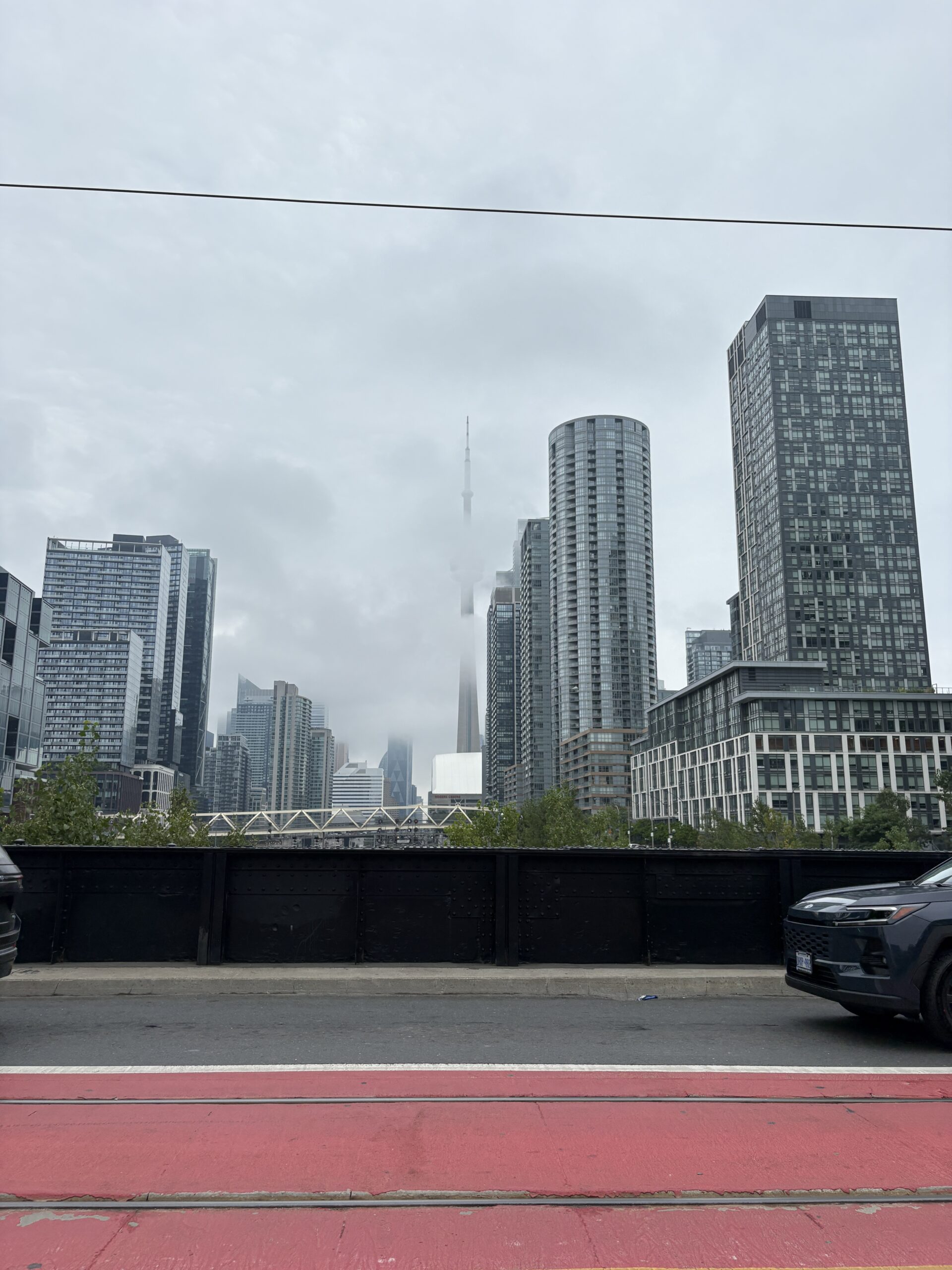
If you spent August at the cottage instead of open houses, you weren’t alone. Sales across the GTA slipped from July, new listings fell even faster, and the market did what it does every August: it slowed down and waited for September.
The good news? Prices are starting to look steadier than they have all year. Let’s take a look at what happened in August and what it could mean for the months ahead.
All GTA figures come from TRREB’s August 2026 Market Watch, released September 3, 2026, unless otherwise noted.

August 2026 at a Glance
Here’s how the Greater Toronto Area shaped up last month, according to TRREB’s August Market Watch:
- Sales: 5,057 homes, down 2.1% year-over-year
- New listings: 12,075, down 14.1% year-over-year
- Active listings: 24,482, down 11.3% year-over-year
- Average price: $993,410, down 2.7% year-over-year
- MLS® HPI Composite benchmark: down 4.5% year-over-year
- Average days on market: 51, up from 45 in July
The short version? Buyers had fewer homes to choose from, and prices are slipping less than they were earlier in the year.
Why August Always Feels a Little Like January
August is traditionally one of the quieter months in Toronto real estate, and this year was no exception. Families are squeezing in the last cottage weekend, parents are shopping for backpacks, and house hunting tends to take a back seat until routines return in September.
Interestingly, August’s slowdown looks a lot like what we see every January. Sales fell 15.7% from July, almost a mirror image of January’s 16.6% dip from December. New listings dropped 16.6% month-over-month, and average days on market climbed to 51, the highest level since February.
That said, August still posted far more sales than January (5,057 versus 3,082). So think of it as the same seasonal pause, not the same market. For a refresher on how the year started, see our January 2026 market update
Fewer Listings, Firmer Footing
The biggest story in August wasn’t sales. It was supply. New listings fell 14.1% compared to last year, far faster than the 2.1% dip in sales. According to TRREB, buyers in some neighbourhoods simply had less to choose from, which likely held back the number of deals.
Here’s the silver lining for anyone watching prices. The 2.7% year-over-year drop in the average price was the smallest annual decline we’ve seen in 2026. Back in February, prices were running nearly 7% below the year before. On a seasonally adjusted basis, the average selling price even edged up from July.
TRREB President Daniel Steinfeld summed up the dilemma nicely: if inventory keeps tightening, “some buyers may face a trade-off between waiting for greater economic certainty and purchasing before prices move higher.”
So, is this the start of renewed price growth? It’s too early to call. But it’s definitely a trend to watch this fall.
Breaking Down the 416 by Property Type
Now let’s zoom in on the City of Toronto (416). Keep in mind these numbers cover the city only, not the wider GTA.
Detached
The average detached home sold for $1,525,749, essentially flat compared to last August (up 0.1%). Sales also rose 2.6% year-over-year. It’s not flashy, but it’s a quiet sign of stability at the top end of the market.
Semi-Detached
Semis averaged $1,110,639, down 1.8% from last year, while sales ticked up 1.3%. After a softer July, prices appear to be finding their footing.
Townhouse
Townhouses were August’s biggest mover. The average price fell to $797,856, down 12.9% year-over-year and 8% from July. Sales slipped 11.3% compared to last year. For buyers who’ve been eyeing a townhome, this could be one of the more promising windows we’ve seen in a while.
Condo Apartment
Condos averaged $651,648, down 2.4% from last year, with sales essentially flat (down 0.6%). That’s a notable improvement from earlier in the year, when condo prices were running 8% to 9% below 2025 levels. Browse Toronto condos for sale {{LINK_NEEDED}} to see what’s on the market now.

The Bigger Picture: Rates, Jobs and Trade
TRREB’s Chief Information Officer Jason Mercer noted that ownership housing has stayed relatively affordable over the past year. The main thing holding buyers back? Worries about trade with the U.S. and what it could mean for inflation and borrowing costs. Here’s what was happening on each front.
Rates Stay Put
On September 2, the Bank of Canada held its policy rate at 2.25% for the seventh straight time. The rate hasn’t moved since October 2025, which has kept mortgage costs fairly predictable. However, the Bank did flag that tariffs have increased the risk of higher inflation, so it’s a space worth watching.
A Hot Hiring Streak Takes a Breather
Canada added roughly 181,000 jobs from April through July. Then August’s Labour Force Survey showed a loss of 42,000 jobs, with the national unemployment rate holding at 6.4%. One soft month doesn’t undo a strong summer, but it’s a reminder that the economy isn’t moving in a straight line.
The Trade Wildcard
On August 21, Prime Minister Mark Carney suspended trade negotiations with the U.S. after talks broke down. The U.S. then imposed 50% tariffs on about $20 billion of Canadian goods, and Canada’s matching tariffs were set to begin September 8. Since this all unfolded in the final days of the month, it likely had little effect on August sales. Will it make buyers more cautious this fall? That’s the big question.
What This Means for Buyers and Sellers
For buyers: Prices are still below last year’s levels, and mortgage rates have been steady for nearly a year. However, choice is shrinking. If listings keep tightening, today’s softer prices may not stick around. If you’re getting ready to make a move, we can help!
For sellers: Fewer competing listings means your home has a better chance to stand out, especially heading into the typically busier fall market. If you’ve been waiting for the right moment, now’s a smart time to talk strategy for selling your home.
What’s Next?
With vacations over and kids back in school, September usually brings buyers and sellers back to the table. Add in the Bank of Canada’s next rate announcement on October 28 and an evolving trade story, and this fall could be one of the more interesting seasons we’ve seen in a while.
Will tighter supply finally push prices higher? Or will economic uncertainty keep buyers on the sidelines a little longer? We’ll be watching closely. In the meantime, if you have questions about your next move, get in touch with our team.


One Comment