As a lifelong resident of the city, home has always been in midtown Toronto. In creating TorontoLivings, I wanted a place to share my experiences in the city, to educate our clients on the ever-changing market, and show people a side of the City that most don’t see every day.
Moving into a new rental can be stressful for humans—never mind the four‑legged family members who have zero say in the matter. Sloane, a purpose‑built rental community steps from Yorkdale Mall, has been designed from lobby to rooftop with pets (and their people) in mind. Below is a quick tour of the on‑site perks, nearby green spaces, and trusted groomers, that make Sloane a stand‑out option for anyone hunting a truly pet‑friendly lease in Toronto.
Sloane
Why Sloane Is a Tail‑Wagging Home Base
“Beauty for the Beast” In‑House Pet Spa
The Beauty for the Beast Pet Spa features elevated wash stations (goodbye, sore back), professional‑grade dryers, and a complimentary treat bar to keep anxious pups calm. Residents can reserve a time slot through the building app—no more wrestling with a muddy dog in a condo bathtub.
Green Time, Not Screen Time — Off‑Leash Parks Within a 5‑Minute Drive
A fully fenced hillside run with shady gazebos, fresh‑water taps, and plenty of parking. Winter bonus: the adjacent ski hill turns into an off‑leash toboggan run for snow‑loving pups.
Mulched footing keeps paws mud‑free, while surrounding woodland trails offer a scenic cooldown loop after fetch. An adjacent splash pad keeps the rest of the family cool in July.
Pro Tip: Sloane’s underground garage entrance sits right by the Allen Road on‑ramp—weekend park‑hopping is a breeze.
Life Admin for Pet Parents — Groomers, Daycare & Supplies Near Yorkdale
PetSmart – Lawrence Square (700 Lawrence Ave W, ~900 m) – Full‑service grooming, puppy training, and same‑day curbside pickup.
DogSense Daycare & Boarding (535 Wilson Heights Blvd) – Cage‑free daycare with live‑stream cameras plus overnight boarding that includes a bedtime belly‑rub report.
Le Chien Élégant Grooming (134 Felbrigg Ave, 2.5 km) – Boutique groomers specialising in breed‑specific cuts and blueberry facials (yes, that’s a thing).
Ready to Sniff Out a Suite at Sloane?
If a pet‑positive community sounds like the right fit for your pack, send us a note below!
Real estate in Toronto took another small step toward affordability in June. With borrowing costs and average selling prices still trailing last year’s levels, more buyers are beginning to test the waters—even if many are still playing the waiting game.
The housing market showed further signs of recovery in June, as buyers benefited from a growing number of listings. With more inventory to choose from, many were able to negotiate below asking prices—an early sign that market leverage is beginning to tip back toward buyers.
Sales and Listings: Market Gains Traction (Sort Of)
Realtors reported 6,243 sales through the MLS System in June—a modest 2.4% dip compared to June 2024. However, new listings jumped 7.7% year-over-year, reaching 19,839 properties.
On a seasonally adjusted basis, sales were up compared to May 2025, while new listings were down. That combination—more buying activity and slightly less inventory—continues the tightening trend we saw take shape this spring.
Inventory vs. Demand: Are We Headed for Balance?
Month-over-month momentum looks promising, but economic jitters still weigh on decision-making. Many households are hesitant to dive in until they feel more secure about their jobs, rates, and the overall direction of the economy. Still, as inventory tapers and options dwindle, that hesitation could turn into competition sooner than later.
What’s Happening with Prices?
Condos Reach New High for 2025
While overall prices in the GTA trended downward, the condo segment quietly notched a win in June. The average condo price rose to $731,232—the highest it’s been all year. That’s up from $709,905 in May and significantly higher than where the year started at $691,039.
This steady upward trend—especially with June breaking the ceiling—could be an early signal of shifting demand. With lower entry points than detached homes and improved affordability, condos might be the segment to watch as momentum builds through summer.
Foxbar Condo
Detached Prices Cool Off After Strong Start
Detached homes, meanwhile, saw a different trajectory in the first half of 2025. After peaking in February at $1,782,262, average prices for detached properties have gradually softened, settling at $1,641,868 in June. While still higher than January’s average of $1,579,386, the trend suggests a gradual cooldown from earlier highs.
Buyers in the detached segment may find more room to negotiate as prices ease off their earlier highs, especially with higher-carrying costs still weighing on the top end of the market.
Semi-Detached Homes Show Seasonal Resilience
Semi-detached properties had a relatively stable run through the first half of 2025. While they haven’t reached a new peak since March’s high of $1,337,498, June’s average price of $1,278,434 still sits comfortably above where the year began.
The numbers suggest a segment that’s holding firm despite broader market softening—offering a middle ground between affordability and space that continues to resonate with move-up buyers.
Townhomes Ride the Seasonal Wave
Townhomes had a mixed performance in the first half of 2025, with prices fluctuating month to month. After peaking in February at $1,028,339, the average townhome price slid back to $957,605 in June. While that’s still above January’s average of $941,893, the segment appears more sensitive to broader affordability pressures.
For buyers, this could present a timely opportunity—especially for those seeking more space than a condo offers but without stretching to a detached price point.
Overall Price Summary
June’s average selling price landed at $1,101,691, representing a 5.4% drop year-over-year. The MLS Home Price Index Composite Benchmark also dipped 5.5% compared to June 2024. Month-over-month? Both the average price and HPI edged slightly lower from May.
This downward pressure on pricing isn’t new—it’s been with us for several months—but it continues to create an entry point for buyers who were previously priced out.
Price Chart – YoY and MoM Breakdown
Metric
June 2024
May 2025
June 2025
% Change YoY
% Change MoM
Average Price
$1,164,714
$1,110,905
$1,101,691
-5.4%
-0.8%
What’s Fueling (or Delaying) the Recovery?
The market isn’t just reacting to supply and demand—it’s heavily influenced by macroeconomic factors. According to TRREB CIO Jason Mercer, a firm U.S. trade deal and two more expected rate cuts could help “make monthly mortgage payments more comfortable for average GTA households.” That added affordability, paired with improved consumer confidence, could push the recovery into higher gear.
But as of now, buyers are taking their time. Inflation progress has been choppy, and many are still skeptical that rates will come down fast enough to offset homeownership risks.
Lower borrowing costs = better affordability, even if only modestly improved.
For Sellers:
Price competitively to attract attention.
The tightening trend could benefit well-prepared listings.
With some buyers still on the sidelines, it’s not a frenzy—but serious shoppers are out there.
Final Thoughts: Recovery in Progress, but Far from Over
June continued the pattern we’ve seen throughout spring—a cautious, buyer-empowered market where affordability is slowly improving, but uncertainty still clouds the outlook. The next few months will be crucial. If confidence improves and rates continue to ease, Toronto’s real estate market could be poised for a steadier rebound – but who knows!
Curious what this means for your next move? Reach out by dropping us a message below—we’ll help you navigate the numbers and the nuance.
You’ve just landed in Toronto—now what? If you’re hunting for a place to call home, you’ve probably scrolled past hundreds of condo listings and a handful of basement apartments. But there’s a third option that often flies under the radar: purpose-built rental (PBR) communities. Think of them as apartments designed from the ground up for renters—no surprise owner move‑ins, no condo board drama, and a lot more flexibility when your credit history is still finding its Canadian footing.
What’s a Purpose-Built Rental, Anyway?
A purpose‑built rental is an entire building—or sometimes a master‑planned campus—owned and managed by a single professional landlord. Unlike condo leases where every unit has a different owner, PBRs operate like one big, renter‑first ecosystem. That unified ownership means consistent rules, faster maintenance, and amenities that stay open because the landlord’s business model depends on happy tenants, not resale value.
Sloane by Fitzrovia
Purpose-Built vs. Condos & Private Rentals – The Four Stand-Out Benefits
1. Application Flexibility for Thin Credit Files
New to Canada? Still waiting on that first credit card? Corporate landlords can look beyond a traditional credit score. Many accept international banking letters, proof of employment, or a larger last‑month rent deposit instead of the usual Canadian credit check. The goal: fill suites with responsible tenants, not perfection on paper.
2. Promotions That Stretch Your Budget
Look out for move‑in incentives like “first month free” or a couple of months at a reduced rate. These deals pop up when new towers launch or when management wants to fill specific floorplans. Condo landlords rarely advertise perks this openly.
3. On-Site Pro Management & Amenities
Sloane West and East Tower Basketball Court
Need a faucet fixed at 2 a.m.? There’s usually a 24/7 service line. Parcel lockers, bike rooms, pet‑wash stations and—at head‑turners like Sloane by Fitzrovia — a full-sized Toronto Raptors basketball court, resort-style pool, hot and cold plunge, and even an on‑site kid‑care space make daily life smoother. Check out Sloane’s amenity list here.
4. Long-Term Stability & Predictable Increases
Many PBRs built before November 15, 2018 are rent‑controlled, capping your annual increase. Even in newer communities, multi‑year lease offers with locked‑in bumps are common. In a condo, an owner can sell (or decide to move back) with 60 days’ notice—never fun when you’ve just found your favourite local coffee shop.
Common Myths – Busted
“Purpose‑built buildings are old and tired.” Not anymore. Toronto’s pipeline is packed with glassy high‑rises that rival downtown condos for finishes.
“Condo amenities are always better.” See: rooftop dog runs, coworking hubs, and bowling alleys mentioned above.
Pro Tips for a Smooth Approval
Build a newcomer rental package. Include an employment letter, recent pay stubs, and a reference from a past landlord or property manager.
Add a personal letter. A short note about why you’re moving and how you care for a home goes a long way.
Ask about current incentives and lease terms upfront. Purpose‑built landlords often run promotions—think first‑month‑free or discounted rent on longer leases. Confirm any rent‑increase caps for multi‑year agreements so there are no surprises later.
Ready to Make Your Move?
Whether you’re fresh off the plane or simply relocating across town, purpose‑built rentals can remove a lot of the stress from your first Toronto lease. Connect with the Toronto Livings team to see what’s available and snag your perfect suite before it’s gone.
Ask most Torontonians what Yorkdale conjures up and they’ll picture a gleaming cathedral of luxury retail—Gucci bags, Apple launches, the whole nine yards. Fair! But plant yourself just outside those revolving doors and you’ll discover a neighbourhood that quietly levels‑up your daily routine. From dirt‑cheap car‑wash memberships to secret lattés away from the food‑court frenzy, living near Yorkdale is basically a life hack in postal‑code form.
Yorkdale Shopping Mall
Below, five perks even seasoned shoppers might have missed (plus a quick‑fire spec sheet if you’re sizing up a move).
1. Retail & Outlet Double‑Dip
Yes, you’re footsteps from the world‑class Yorkdale Shopping Centre—handy when you shatter your phone screen and need Genius Bar triage stat. But the real wallet saver is a seven‑minute stroll west to Orfus Road’s factory‑outlet row. Roots hoodies at half price, Nike kicks on permanent clearance, boxed kitchen gadgets you didn’t know you needed—errand day suddenly feels like a covert sample sale.
Pro tip: Tack on a weekday morning run to dodge weekend bus‑tour crowds. Your future self (and closet) will thank you.
2. Transit & Travel Hacks in Your Pocket
Living beside a subway station is nice. Living beside Yorkdale Stationand a full GO Bus terminal is downright smug. Swipe onto the TTC for a 20‑minute ride downtown, or board GO Bus Route 94 straight to Pearson when a last‑minute seat‑sale pings your inbox. No Uber surge, no long‑term parking tab.
Driving? Theres ample free parking on site — and cyclists get a secure Bike Room complete with lockers so you’re not playing street‑lock roulette.
3. Unlimited Car Wash
Salt, slush, and construction grime can make your car look like it’s auditioning for a Mad Max sequel. Enter Crosstown Car Wash Yorkdale. For roughly the cost of a monthly streaming bundle ($24.99), their unlimited‑wash club keeps your ride shiny year‑round—plus free vacuums for a quick interior detox.
4. Off‑Mall Food & Coffee Gems
COPS Doughnuts
Skip the food‑court lineup and wander a block or two for flavours you won’t find under the mall’s skylights:
Cocoon Coffee, 855 Wilson Ave – tiny, plant‑filled, laptop‑friendly; their honey‑lavender latte has a cult following.
COPS Doughnuts– hot, made-to-order mini donuts best devoured while they’re still warm.
Amico Bakery on Dufferin – cannoli so crisp they crack audibly. Arrive early; nonna’s already in line.
Lady York on Dufferin – Italian grocery stalwart with a legendary deli counter and fresh weekly specials.
Your taste buds (and Instagram feed) just got a promotion.
5. Greenspace & Purpose‑Built Perks
Downsview Park
A luxury mall address might not scream “outdoor oasis,” yet Downsview Park is a single subway stop north—290 acres of running trails, summer concerts, and an urban farm market that sells out of sourdough by 10 a.m.
Looking to rent before you buy? Sloane by Fitztrovia sits right beside the park. Think boutique‑hotel lobby vibes plus resident‑only bowling alley, PS5 gaming lounge, kids’ jungle‑gym zone, and co‑work suites outfitted with a few extra private booths. Purpose-built living also comes with a few extra perks you won’t find when you rent an ordinary condo unit.
Mix of young professionals, airport‑commuters & long‑time locals
*Scores via Walk Score and TTC trip planner.
Is Yorkdale Your Next Neighbourhood Move?
If you crave designer shopping at 9 a.m., freshly baked donuts at noon, and need to catch a flight at Pearson by 7 p.m.—all while paying less than downtown rent—Yorkdale might be your Goldilocks zone. And should you prefer turnkey renter perks over negotiating with an investor landlord, Sloane by Fitztrovia has a bowling lane with your name on it.
Ready to chat strategy or book a tour? shoot us a message below —we’ll walk (or bus) you through next steps.
Selling a home in Toronto comes with plenty of moving parts—literally and financially. While the goal is usually to walk away with a tidy profit, it’s worth knowing what expenses could chip away at your bottom line. From staging to legal fees and everything in between, here’s a breakdown of what sellers can expect to spend.
Real Estate Commissions: The Big One
Real estate commissions are often the largest cost in a home sale. In Toronto, it’s standard to pay between 3.5% and 5% of the final sale price, with that amount typically split between the buyer’s and seller’s agents.
While it may seem steep, this fee covers professional marketing, buyer negotiations, and the guidance of experienced agents who can help you sell faster and higher. And yes—commission rates can sometimes be negotiated, especially on higher-end properties.
Meet our team to see how we advocate for every dollar on your behalf.
Legal Fees: Closing with Confidence
Expect to spend between $1,500 and $2,500 in legal fees. That includes the cost of preparing documents, discharging your mortgage, completing title transfers, and managing disbursements like wire transfers or title insurance.
Your real estate lawyer will ensure the closing goes off without a hitch—so this is one area where cutting corners could cost more in the long run.
Mortgage Discharge & Prepayment Penalties
If you’re breaking your mortgage early, be prepared for additional fees. These usually include:
Admin/legal/registration fees (~$250–$500 total)
A prepayment penalty (either 3 months’ interest or an Interest Rate Differential—whichever is higher)
The exact amount varies depending on your lender and mortgage terms. Request a quote from your bank ahead of time so you’re not blindsided at closing.
Physical staging can cost $4,000–$10,000, depending on the size of the home and length of time it’s staged.
Photography and virtual tours typically range from $500–$1,000, though high-end packages can go higher.
It may seem like a lot up front, but well-staged homes tend to sell faster and for more money—often recouping that cost and then some.
Status Certificate (For Condo Sellers)
If you’re selling a condo, buyers will likely request a status certificate, which outlines the financial and legal health of the building. In Toronto, sellers are usually responsible for covering the ~$100 (plus HST) fee.
Make sure to order it early to avoid delays once your property hits the market.
Moving Costs: Don’t Forget the Finish Line
Once the deal is done, it’s time to pack—and that comes with its own price tag. Professional movers in Toronto typically charge:
$1,500–$2,500 for local moves, depending on home size and complexity
More for long-distance or full-service packing/moving combinations
Budget a bit extra if you need short-term storage or specialized services (like moving a piano).
Capital Gains Tax (If It’s an Investment Property)
If the home you’re selling is your principal residence, you’re off the hook for capital gains.
But if it’s an investment or secondary property, 50% of the profit is taxable as income. The amount you owe will depend on your marginal tax rate and how long you held the property.
Keep good records—renovations, legal fees, and realtor commissions can often be deducted from your gain.
Selling comes with its share of expenses—but it doesn’t have to come as a surprise. With a clear view of the costs involved, you can plan better, price smarter, and maximize your returns.
When you’re house hunting in Toronto, most of your mental energy is spent calculating down payments, monthly mortgage costs, and whether you can stretch that budget for the home just one block closer to the subway. But behind the sticker price lurks a less obvious layer of expenses that can quickly add up — and if you’re not prepared, they can feel like a surprise punch to your closing-day excitement.
Let’s pull back the curtain on the hidden costs of buying a home in Toronto — from taxes to title insurance and everything in between.
Quick Reference: Hidden Costs Breakdown (based on a $1.5M purchase)
Cost Category
Estimated Range
Notes
Land Transfer Taxes
$52,950+
Applies to a $1.5M home in Toronto (includes provincial + municipal)
Luxury LTT (>$3M homes)
3.5%–7.5% on price tiers
Progressive rates depending on home value
Legal Fees
$1,500–$2,500
Varies by complexity of the deal
Title Insurance
$300–$800
One-time cost
Home Inspection
$400–$700
Add $200+ for specialty inspections
Adjustments
$500–$2,000+
Reimbursement for seller-paid property taxes, fees
Moving & Set-Up Costs
$3,000–$5,000
Movers, utilities, locksmiths, furniture gaps
CMHC Insurance (if <20% down)
Varies by loan size
Mandatory for high-ratio mortgages
1. Double Land Transfer Taxes in Toronto
Toronto is one of the few cities in Canada where homebuyers are hit with two land transfer taxes — one from the province, and one from the city itself.
Ontario Land Transfer Tax (LTT): Scaled based on the purchase price. For example, a $1.5M home results in roughly $26,475.
Toronto Municipal LTT: Also scaled — for the same $1.5M property, you’d pay another $26,475.
Total land transfer tax bill? About $52,950.
What About the Luxury Tax?
Toronto applies an extra tier of LTT to homes over $3 million:
3.5% on the portion between $3M–$4M
4.5% between $4M–$5M
5.5% from $5M–$10M
6.5% from $10M–$20M
7.5% over $20M
That’s a steep climb if you’re in the luxury bracket — and one worth modeling out in advance.
Closing a real estate deal requires a real estate lawyer — full stop. And those services come with fees:
Legal fees: Typically $1,500–$2,500 depending on complexity
Title insurance: $300–$800 (a one-time cost)
These protect you against future claims on the property, unpaid liens, or title defects. While some might consider shopping around, this isn’t the place to skimp.
3. Home Inspections (and Re-Inspections)
An inspection is your home’s pre-purchase report card. Costs can vary, but expect:
$400–$700 for a standard inspection
Add $200+ if you need specialized inspections (e.g., sewer scopes, radon, pool inspections)
Even in competitive markets, we always recommend getting one if you can. It’s peace of mind money well spent.
4. Prepaid Utilities, Taxes, and Adjustments
Your closing documents will include adjustments — costs the seller has prepaid (like property taxes or condo fees) that you’ll need to reimburse them for.
Example: If the seller prepaid July’s property taxes and you take possession mid-month, you’ll owe them for the remaining days.
These aren’t huge line items individually, but can still add hundreds to thousands to your final bill.
5. Moving Costs, Hookups & Set-Up Fees
Let’s not forget the final stretch of the journey — actually moving in.
Here’s a quick breakdown:
Moving company: $2,000–$3,000 (more if you’re moving cross-city or have a ton of stuff)
Utility hookups: $50–$200 depending on providers
New locks & security updates: Often overlooked, but recommended ($200–$500)
Appliances or furniture gaps: First-time buyers especially feel this one
Pro tip: budget $3,000–$5,000 for this phase alone, depending on your situation.
Final Thoughts: Budget Beyond the Purchase Price
Buying a home in Toronto is a huge milestone — and a financial stretch for most. But knowing what’s coming can ease that pressure. When we work with buyers, we break down all these costs upfront so there are no surprises come closing day.
If you’re planning a purchase, let’s talk. We’ll help you budget smart, negotiate better, and avoid getting blindsided by the hidden extras.
We’ve seen it all. One buyer found their dream condo and closed in under 24 hours. Another? They patiently searched for the perfect detached in midtown—over two and a half years later, they got the keys. So, how long does it really take to buy a home in Toronto?
The truth is: there’s no one-size-fits-all answer. But there is a rhythm to the process, and once you know what to expect, it becomes a whole lot easier to plan. From financing to final keys, the timeline can stretch or shrink depending on how the stars align—or don’t.
The Step-by-Step Timeline (Toronto Edition)
1. Mortgage Pre-Approval (1–4 weeks)
Before you start swiping through listings or scheduling showings, talk to a mortgage advisor. A pre-approval tells you how much you can afford—and it makes you a serious buyer in the eyes of sellers. Plus, you’ll save time down the road by having your documents reviewed and income verified early on.
2. House Hunting (1 month to 1+ year)
This is where timelines vary the most. If you’re looking for a unicorn (like a south-facing hard loft with parking and low maintenance fees), be prepared to wait. But if your must-haves are flexible, you could be touring properties and making offers within weeks.
The season also matters—spring and fall tend to have more listings, while summer and winter slow down. Being ready to view properties quickly and having a responsive agent can make all the difference.
3. Offer & Negotiation (1–10 days)
Once you’ve found “the one,” things move quickly. Your agent will run comps, draft an offer, and submit it—often within 24 hours. From there, sellers may counter, reject, or accept. In hot markets, bidding wars can condense this step to hours.
Having your deposit ready and being flexible with closing dates can help your offer stand out. Your agent’s experience negotiating terms is crucial here.
4. Conditional Periods (5–10 business days)
If your offer includes conditions (like financing or a home inspection), you’ll need time to clear them. Most conditions are resolved within a week—but the clock starts ticking the moment the offer is accepted. This is your due diligence window to walk away penalty-free if needed.
5. Closing Period (30–60 days)
This is the legal handoff: your lawyer handles title searches, insurance, requisitions, and funds transfer. Most closings in Toronto land between 30 and 60 days—but longer or shorter timelines are sometimes negotiated based on the buyer/seller needs.
In this stage, you’ll sign the final documents, finalize mortgage paperwork, and ensure your down payment is in place. Your lender and lawyer will coordinate with the seller’s team to make sure everything runs smoothly.
What Slows Buyers Down?
A few common culprits:
Financing snags — delayed documents or new credit issues can stall mortgage approval.
Inventory droughts — low supply means buyers are stuck waiting for the right listing.
Analysis paralysis — some buyers struggle to commit, especially in shifting markets.
Life interruptions — personal or financial changes can pause a search unexpectedly.
Our record for the longest buyer search? 2.5 years from first showing to firm deal. They waited, watched, and ultimately bought with total confidence. In contrast, another client closed in less than a day by walking into an open house, falling in love, and making a cash offer on the spot.
Sometimes it’s about timing. Other times, it’s about persistence.
Speed It Up — How to Buy Faster
If you’re eager to get into your new home sooner, here are a few tips:
Get pre-approved before you browse
Work with an agent who knows the local landscape (that’s us)
Set clear must-haves vs. nice-to-haves
Be ready to act fast when the right listing appears
Don’t wait for the “perfect” property—sometimes 90% perfect is perfect enough
Stay organized with paperwork, and have your deposit liquid and accessible
Yes—with cash and a willing seller, we’ve seen it happen in under 24 hours. But it’s rare and depends on fast lawyers, quick due diligence, and no mortgage.
Do cash offers close faster?
Usually, yes. Skipping mortgage approval can shave weeks off the process. But you’ll still need legal review, insurance, and coordinated timing with the seller.
How long does a mortgage take in Toronto?
2 to 4 weeks is typical, assuming you’re responsive and the lender isn’t backed up. Submitting complete documents early helps avoid hiccups.
What happens if the seller wants a longer closing?
You negotiate! Most sellers are flexible, especially if the offer price is strong. Some buyers use longer closings to save more or avoid overlapping rent.
Can I start the process before I’m “100% ready” to buy?
Absolutely. Meeting with a mortgage advisor or agent early helps you understand your options, even if you’re months away from making an offer.
Final Thoughts: Everyone’s Timeline Is Different
Some buyers binge open houses for months before pulling the trigger. Others? Love at first sight.
At TorontoLivings, we adapt to your pace. Whether you’re ready to buy tomorrow—or just starting to explore—we’ll walk you through every step, from setting your budget to handing you the keys.
There’s no pressure—only guidance, support, and expert insight tailored to your journey. Connect with us by leaving a message below!
If you’re a homeowner in Toronto considering your next move, one of the most common—and stressful—questions you’ll face is: should I sell before I buy? It’s not just a logistical question, but a financial and emotional one. Do you lock in your next dream home first, or secure top dollar for your current property before making your move?
When you sell first, you’re not guessing what your home might fetch—you know. That clarity shapes everything from your down payment to your total budget.
Take one of our recent clients: they were casually eyeing move-up homes in the west end but hadn’t nailed down what they could afford. After selling their place above asking, they suddenly had more buying power—and the confidence to land a bigger home that checked every box.
2. More Leverage as a Buyer
A firm sale in your back pocket gives you leverage. You can make clean offers without a “sale of property” condition—something sellers love to see. In hot or even balanced markets, this makes your offer stand out and increases your negotiating power.
Translation? You could save money on the purchase side just by being ready to move.
3. Avoid Carrying Two Properties
Buying first means you might own two homes at once. That comes with double mortgage payments, double utilities, double everything.
Some turn to bridge financing, which lets you “bridge” the gap between buying and selling—but it’s not always ideal. Rates can be steep, and you’ll need a firm sale agreement to qualify.
Selling first means you avoid that stress entirely.
But What About Finding Your Next Place?
This is the biggest fear, right? Selling your home and not finding something you love in time. Totally fair—but manageable.
There are ways to bridge the gap without panic:
Flexible closings: Negotiate a long closing window on your sale. Many buyers are happy to accommodate if it means landing a great home.
Short-term rentals: Toronto has more tons of furnished and month-to-month rental options — we can help you rent something temporary that fits your timeline.
Lease-back arrangements: In some cases, you can rent your home back from the buyer after closing. It buys you time and saves the hassle of a full move-out.
Family and friend networks: Some sellers choose to bunk with family or trusted friends short-term—cozy? Maybe. Cost-effective and flexible? Absolutely.
Plus, when you’ve already sold, you can shop for your next place with less pressure. You’re not competing against your own ticking clock. That freedom often leads to better decision-making—and better purchases.
In our experience, with a smart plan and a bit of patience, finding the right place after selling is totally doable—and often, even preferable!
Why Buying First is Riskier Than It Sounds
On paper, it might feel safer to lock in your next home first. You get to secure your dream space and transition smoothly—at least in theory. But in practice, this approach often backfires, especially in unpredictable markets.
Here’s what can go wrong:
You could overpay due to urgency: When you’re racing the clock to buy before selling, your decisions are often emotionally charged. You’re less likely to negotiate assertively or wait for the right fit.
You might have to accept a lower offer on your own home: To avoid juggling two properties, many buyers-turned-sellers will settle for a less-than-ideal price just to wrap things up quickly.
You may need bridge financing—or worse, carry two mortgages: Bridge loans come with added costs and qualification requirements. And if your home takes longer to sell, you could end up on the hook for two sets of housing expenses, which puts serious strain on your finances.
Market shifts can catch you off guard: If the market cools after you buy but before you sell, you could be left with less equity than you expected—or worse, stuck with a home that lingers on the market.
At the end of the day, buying first trades certainty for comfort. But that comfort is short-lived if the numbers—or the timing—don’t work in your favour.
What We Tell Our Sellers
Selling first puts you in the driver’s seat. You know your numbers, your timing, and your game plan. From there, it’s easier to pivot, shop smart, and act quickly when the right listing hits the market.
Yes, bridge loans exist—but we don’t recommend relying on them as a strategy. Think of them more as a parachute, not a flight plan.
Our approach: prep your home well, list with confidence, sell strong—then buy smart. That’s how you lead with strength.
Final Thoughts – Lead with Strength
Buying and selling at the same time is tricky. But by selling first, you control the pace—and your financial footing. You’re not scrambling. You’re not stretching. You’re stepping into your next home with clarity and confidence.
Thinking of selling first? Let’s talk strategy, timelines, and what your home could be worth. Reach out to us here— or send us a comment below.
Buying property in Toronto isn’t exactly like strolling through a Sunday open house and tossing in an offer. Between rapid market shifts, bidding wars, complicated legal documents, and emotional highs and lows, the process can feel more like a strategic chess match than a simple shopping trip.
So it’s natural to wonder: do I really need a real estate agent to buy in Toronto?
Let’s break down what’s required, what’s optional, and how professional guidance can be the difference between buyer’s remorse and securing your ideal home—with less stress, more clarity, and a smarter investment.
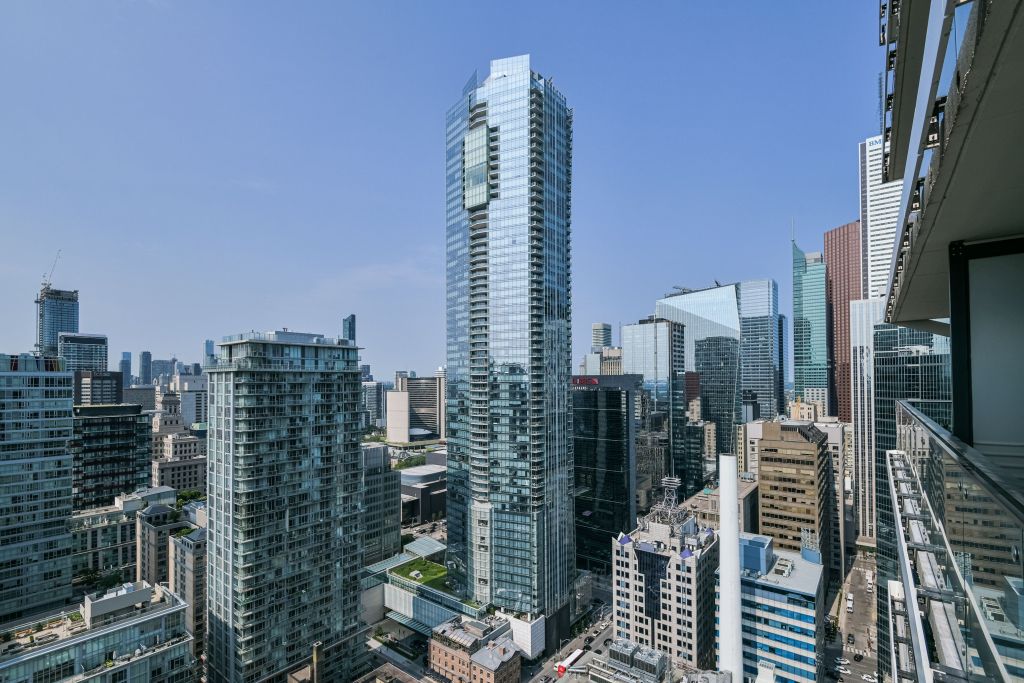
Liberty Village in the distant
The Role of a Real Estate Agent in Toronto
In Toronto, real estate agents do more than open doors and draft paperwork. A great agent is your strategist, market translator, and skilled negotiator. They act as your advocate from the moment you start your search to the moment you receive the keys.
Here’s what that can look like:
Decoding neighbourhood trends, property values, and pricing strategies
Tapping into off-market or soon-to-launch listings that aren’t yet public
Coordinating inspections, financing, and closing timelines for a seamless experience
It’s this blend of insight and hands-on support that helps buyers avoid costly missteps—and often land better deals, faster and with fewer surprises.
Do You Legally Need an Agent to Buy Property?
Short answer: no, it’s not legally required.
You can absolutely buy a home without a real estate agent—whether it’s through a private deal, directly with a builder, or via the listing agent representing the seller. But without your own representation, you’re essentially flying solo in a high-stakes, high-priced environment.
Imagine walking into a courtroom without a lawyer. It’s possible, but would you really want to? Especially when the other party has someone negotiating and protecting their interests.
In real estate, the listing agent is obligated to act in the seller’s best interest. That means they’re not working for you—and they’re not required to point out things that may work against the seller’s position.
Having your own agent levels the playing field.
Benefits of Working with a Real Estate Agent
Here’s where the perks really start stacking up:
1. Access to More Listings
Real estate agents often have early access to listings through industry networks, email alerts, and brokerages that share exclusive pre-market opportunities. In a city like Toronto, where some homes sell within 24 hours, this kind of head start can be the difference between getting the property—or missing out entirely.
2. Expert Negotiation
Your agent brings both experience and data to the table. They understand market conditions, comparable sales, and buyer psychology. They know when to go in strong, when to hold back, and how to structure offers that stand out without having you overpay or waive protections you’ll regret.
3. Process Management
From pre-approval to final closing, there are dozens of moving parts. Offers, amendments, deposits, conditions, appraisals—it adds up fast. A good agent keeps everything (and everyone) on track and ensures no detail slips through the cracks.
4. Emotional Buffering
Buying property—especially your first or forever home—is emotional. And emotions can cloud judgment. Your agent provides an objective lens, helping keep decisions grounded in logic, value, and long-term benefit.
5. Professional Network
A top-tier agent comes with a vetted team of professionals: mortgage brokers, real estate lawyers, home inspectors, movers, contractors, and more. They know who’s reputable—and who to avoid.
Understanding the Buyer Representation Agreement (BRA)
If you decide to work with a buyer’s agent in Ontario, you’ll likely be asked to sign a Buyer Representation Agreement (BRA). This document formalizes your working relationship, outlining responsibilities, boundaries, and expectations.
Key elements include:
The length of the agreement (often 90–180 days)
The area it covers (e.g., Toronto, the GTA, or specific neighbourhoods)
The commission terms (typically paid by the seller)
Signing the BRA means the agent has a legal fiduciary duty to you. That includes full disclosure, loyalty, confidentiality, and promoting your best interests above all else.
Tip: You can always negotiate or customize the BRA. Ask questions. Understand the clauses. A transparent agent will be happy to explain it all.
WaterWorks Condo
Who Pays the Agent’s Commission?
One of the biggest misconceptions buyers have is around commission.
In most resale property purchases in Toronto, the seller covers the commission for both their listing agent and the buyer’s agent. That means buyers can benefit from professional representation without paying out of pocket.
Exceptions do exist:
FSBO (For-Sale-By-Owner) deals where no buyer commission is offered
Discounted commission offers where a top-up may be required to meet your agent’s standard rate
In these scenarios, your agent will always explain the situation upfront and let you decide how to proceed.
Case Studies: Success Stories with Toronto Livings
We’ve helped hundreds of clients buy better and sell higher by combining strategy, market timing, and local expertise. Here are just two:
Client A: Bought Below Market Value in Midtown
This Toronto Condo Buyer was relocating from Vancouver and had no idea how fast-paced Toronto’s market had become. We helped them secure financing, understand the cities different areas, and define their needs. Through our network, we found a King West condo the day it hit the market and were able to secure it under the list price!
Client B: Sold High, Bought Smart
A longtime client needed to sell before buying. We arranged staging, drone photography, and a digital marketing push that resulted in multiple offers. Their midtown hard loft sold over asking. From there, they pivoted into a a detached house and are now in the process of growing out the family!
Smart moves don’t happen by accident—they’re the result of experience, timing, and a plan.
FAQs: Common Questions About Using a Real Estate Agent
What if I’m not happy with my agent?
You can always request to be released from your BRA. Most agents will agree, especially if it’s not a good fit. Open communication goes a long way. Don’t settle—work with someone who aligns with your goals and values. If you’re early in the process, consider starting with a shorter agreement or requesting a trial period to ensure compatibility.
Proven results in the neighbourhoods you’re interested in
Someone who listens, not just sells
Want to see how we work? Check our testimonials or book a no-pressure consult.
Can an agent help with pre-construction?
Absolutely. In fact, agents often get early access to builder launches, VIP pricing, and incentives not available to the public. Plus, we can help you assess developer track records and negotiate assignment clauses or caps on closing costs. Pre-construction can be lucrative, but it also comes with unique risks—having expert eyes on contracts can save you from surprise fees or delays.
What’s the difference between a buyer agent and a listing agent?
A buyer’s agent represents you, the purchaser. Their job is to advocate for your best interests—helping you find the right property, analyze pricing, and negotiate terms. A listing agent, on the other hand, represents the seller, and their goal is to get top dollar and favourable conditions for their client. Working directly with the listing agent can create a conflict of interest.
Is it worth having an agent if I’ve already found a property?
Yes. Even if you’ve spotted a home on Realtor.ca or walked by a “For Sale” sign, your agent can provide critical support in pricing analysis, offer structuring, due diligence, and negotiation. Plus, they can liaise with the seller’s agent to protect your interests throughout the deal.
Can I switch agents if I find someone better?
Yes, but be mindful of any active contracts. If you’ve signed a BRA, you’ll need to ask your current agent or brokerage to release you formally. Always have an open discussion first—good agents understand the importance of fit and won’t force a client to stay unhappy.
How early should I contact an agent before buying?
As early as possible. Even if you’re just “thinking about it,” an agent can help you set expectations, build a budget, get pre-approved, and narrow your neighbourhood focus. The earlier you engage, the more strategic your plan can be.
Do agents only work with first-time buyers?
Not at all. While many agents love guiding first-time buyers, experienced buyers, investors, and downsizers benefit just as much from strong representation. Every transaction is different—and so is every client’s goal.
Can an agent help me buy outside of Toronto?
Most Toronto-based agents work across the GTA and even into surrounding regions like Durham, Halton, and York. If they don’t serve an area personally, they can refer you to a trusted colleague who does.
Will I lose out on deals if I don’t act fast?
In hot markets, speed matters—but so does preparation. A good agent ensures you’re offer-ready with financing, legal review, and comparable data in hand. That way, when the right property pops up, you’re positioned to move quickly and confidently.
Can I negotiate an agent’s commission?
Sometimes, yes—especially in higher-end transactions or where multiple deals are involved. Just remember: a good agent more than earns their keep. It’s not just about hours worked—it’s about outcomes delivered.
What if I’m not happy with my agent?
You can always request to be released from your BRA. Most agents will agree, especially if it’s not a good fit. Open communication goes a long way. Don’t settle—work with someone who aligns with your goals and values.
Want to see how we work? Check our testimonials or book a no-pressure consult.
Joey and Mark
Conclusion: Making an Informed Decision
So, do you need an agent to buy property in Toronto? Legally, no. Strategically, it might be your best move.
A skilled agent brings you data, context, connections, and confidence. They unlock opportunities, protect your interests, and make the whole process more efficient and less stressful.
Whether you’re buying your first condo or upgrading to a family home, it pays to have a professional in your corner.
Want to explore your options? Let’s chat and see how we can help you buy smarter, faster, and with peace of mind.
Whether you’re just starting to think about selling or you’re already prepping your home for showings, one big question always comes up: what’s it worth? In a city like Toronto—where prices shift block by block and demand can turn on a dime—accurate property valuation is more art than science.
But don’t worry: it’s not a guessing game either. Good realtors rely on a blend of data, experience, and market instincts to help sellers set smart, strategic listing prices. The process includes a nuanced understanding of current market conditions, buyer psychology, and how a property’s features interact with emerging trends. Here’s how it all comes together.
Cedarvale Home
The Role of Comparative Market Analysis (CMA)
Understanding CMA
The first tool in every Toronto realtor’s kit is the Comparative Market Analysis—or CMA. Think of it like real estate matchmaking: we compare your home to others that recently sold, are currently listed, or were pulled off the market without selling. This is the foundation of a data-backed pricing strategy.
A good CMA looks at:
Recent sold prices (especially within the last 30–90 days)
Current competition in your area
Homes that didn’t sell (aka “expired” or “cancelled” listings)
Seasonal patterns in buying behaviour
This gives a baseline of what buyers are currently paying—and what they’re not. A CMA also helps reveal market velocity—how fast homes are selling—and whether buyers are offering at, above, or below asking price.
Factors Considered in CMA
Not all comparables are created equal. We adjust for:
Unique characteristics (e.g. laneway access, heritage status, energy efficiency features)
Toronto Home Under Construction
Market timing matters too. A home that sold last fall might not reflect this spring’s realities. That’s where experience comes in—knowing which data points still hold weight and which trends are simply passing.
Professional Appraisals: Going Beyond CMA
When and Why Appraisals Are Used
Sometimes, we’ll recommend a formal appraisal. This might happen if:
The home is especially unique or hard to comp
You’re dealing with a divorce, estate sale, or tax scenario
A lender or legal professional requests it
The seller needs third-party validation for pricing decisions
Unlike a CMA, appraisals are done by certified professionals who follow strict industry standards. They are often required during refinancing or when buyers are securing high-ratio mortgages.
Appraisal Methods
Appraisers typically use three approaches:
Direct Comparison Approach – This is the most commonly used method for residential properties and closely mirrors what we do with a CMA. It involves analyzing recent sales of similar properties in the area—often within the past 3–6 months—and adjusting for differences in features, size, age, and condition. If your home has a finished basement or a larger backyard, those features are factored in compared to the sold comparables. This method works best in stable, active markets where many relevant comps are available.
Cost Approach – This method calculates what it would cost to build the property today (using current labour and materials), then subtracts depreciation based on the home’s age and condition. It also adds in the value of the land. This approach is often used for newer or unique properties, and it’s especially useful when there are few comparables available. For instance, if you’re selling a custom-built home in a less active area, the cost approach can provide a clearer sense of its value.
Income Approach – Primarily used for investment or rental properties, this method estimates a property’s value based on the income it can generate. Appraisers look at rental rates, occupancy levels, and operating expenses to calculate the net income, which is then capitalized to estimate market value. It’s a standard tool for valuing duplexes, triplexes, and multi-unit buildings, where the income stream is as important as the physical asset itself.
Key Factors Influencing Property Value
Location and Neighborhood
Yes, location still reigns supreme. In Toronto, that means school zones, walkability, access to transit, and future development plans can all bump up perceived value. Proximity to downtown, waterfronts, green space, or commercial corridors like Queen West or The Danforth also plays a big role.
Neighborhood vibes matter too—what kind of lifestyle does the area support? Artsy, family-friendly, nightlife-centric? These subtleties influence who your buyer is and what they’re willing to pay.
Property Features and Upgrades
Buyers love move-in ready. Modern kitchens, updated bathrooms, and well-finished basements can significantly boost price. But not all renos are equal—sometimes a coat of paint returns more than a full gut job. Finishes matter, but so do smart layouts and natural light.
Other value-adds include:
Smart home technology
Legal rental suites
Energy-efficient systems (windows, furnaces, insulation)
Curb appeal enhancements like landscaping or exterior facelifts
Market Conditions
Interest rates, inventory levels, buyer sentiment—these all impact what a home is worth today. A hot market may support aggressive pricing, while a cooler one demands more precision.
We also monitor metrics like the MLS Home Price Index, which offers a more nuanced picture of how home values shift over time. It accounts for compositional changes, which average price alone can’t capture.
Tools and Resources Realtors Use
MLS Home Price Index (HPI)
Provided by TRREB, this index goes beyond averages and medians to show value trends adjusted for home type and area. It’s one of the best ways to spot pricing patterns and buyer preferences. When used alongside sales data, it reveals both micro and macro market movements.
Automated Valuation Models (AVMs)
Sites like HouseSigma or Zoocasa use AVMs to estimate value based on algorithmic data. They’re helpful for ballparking, but rarely capture the nuance of staging, renovations, or neighborhood character.
AVMs are best viewed as starting points—not final say. They may suggest a price range, but interpreting why a number shows up is where a seasoned agent adds real value.
Realtor Networks and Off-Market Intel
Realtors also exchange notes about buyer activity, recent offer scenarios, and emerging patterns that don’t show up in the data yet. This human layer of insight adds tremendous clarity when pricing a home.
Real-Life Example: When Numbers Weren’t Enough
We recently helped a seller in Hillcrest Village list a semi with a dated kitchen but an unusually deep lot. AVMs put its value at ~$1.225M, but our CMA—paired with insight into buyer demand for laneway potential—led us to list the home at $1.380M.
After a targeted marketing push, including staging, property tour, and promoting the lot depth for potential garden suite use, we found the right buyer and closed at $1.355M. Knowing what the algorithms missed made all the difference.
This example also underscores the power of marketing strategy. We didn’t just price it—we positioned it for the right buyer. And that positioning turned into profit.
Staged Home
FAQ
What’s the difference between a CMA and an appraisal? A CMA (Comparative Market Analysis) is performed by a realtor and is used to guide listing price decisions based on similar home sales. An appraisal is conducted by a certified appraiser, often for mortgage or legal purposes, and must meet specific regulatory standards.
How long is a CMA valid for? Because market conditions can shift quickly—especially in Toronto—a CMA is typically valid for 30 to 90 days. Realtors often update them ahead of listing to reflect the most recent activity.
Do I need to renovate before getting a valuation? Not necessarily. A good realtor can help you determine which upgrades (if any) will improve value. Sometimes simple changes like painting or staging deliver better ROI than big renovations.
Can I rely on automated tools like HouseSigma or Zoocasa? AVMs are helpful for general ranges but lack the context a human expert provides. They often miss nuances like staging, finishes, layout quirks, or neighbourhood character.
When should I get a formal appraisal? Formal appraisals are common in estate settlements, divorces, refinancing, or when a buyer’s lender requires a third-party valuation.
Conclusion
Determining your home’s value isn’t about picking a number—it’s about crafting a strategy. With the right blend of data, experience, and timing, we help sellers not just price, but position their homes for the best possible result.
Every property is unique. Every market moment is different. That’s why accurate valuation isn’t a one-size-fits-all formula—it’s a conversation.
Curious what your property might be worth in today’s market? Send us a message below, we’d be happy to get the conversation started!