


Is My Toronto Apartment Rent Controlled? How to Check.

Most Toronto rentals are rent controlled. The main exception is a unit in a building first occupied for residential purposes after November 15, 2018, and those units are exempt from Ontario’s annual rent increase guideline.
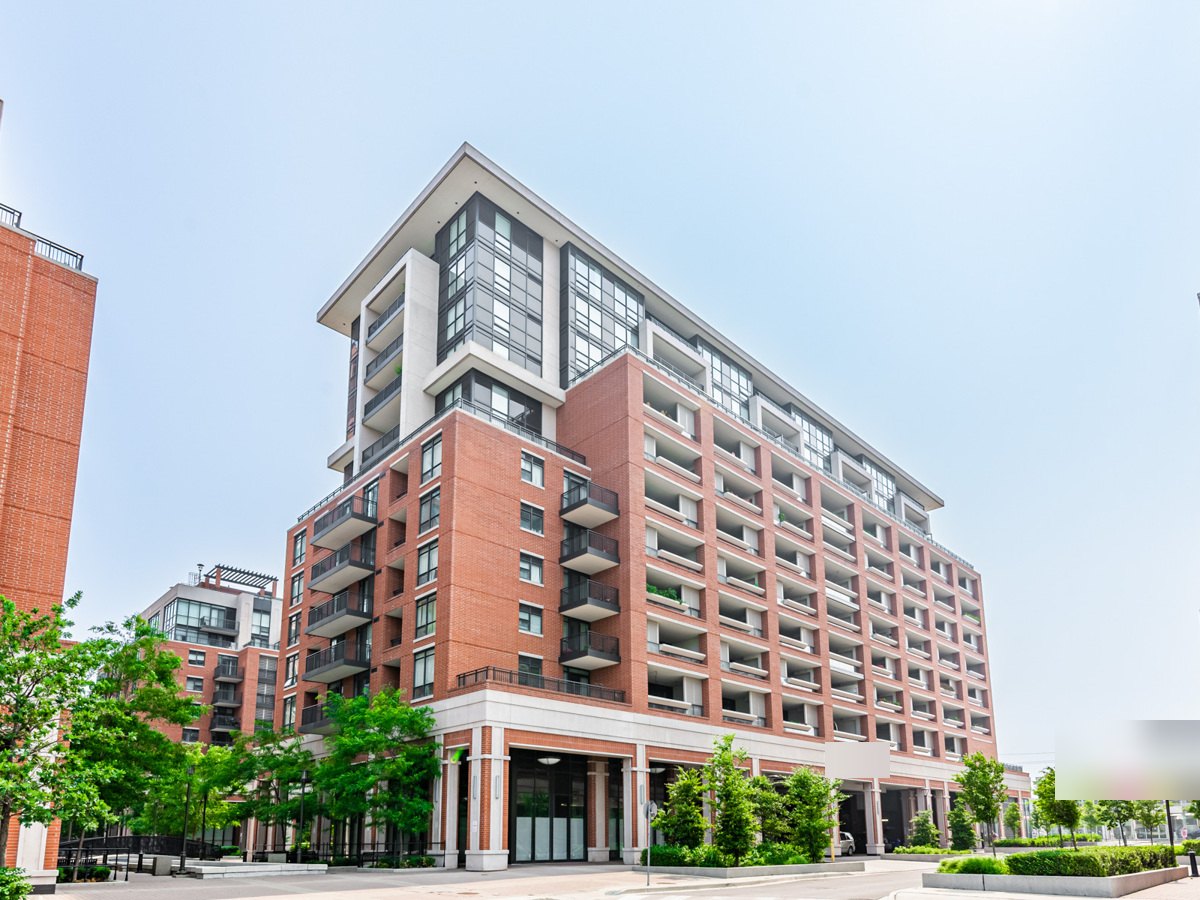
We see this play out at Treviso, the three-building Lanterra community at Dufferin and Lawrence in Yorkdale–Glen Park. Phase 1 had its first residents in 2015 and Phase 2 around 2017. Phase 3 followed around March 2019. Same developer, same courtyard, and two different sets of rent rules.
We often find ourselves walking prospective tenants through it. A two-bedroom in Phase 2 and a two-bedroom in Phase 3 can look almost identical on a listing, but only one of them comes with a cap on future rent increases. Here’s how the rule works, and how to check any unit before you sign.
What “Rent Controlled” Means in Ontario
In Ontario, rent control means your rent can only go up by the yearly guideline the province sets. For 2027, that guideline is 1.9% (we break it down in our 2027 rent increase guideline post).
The timing rules matter just as much. According to Ontario’s rent increase rules, your landlord can raise the rent once every 12 months, counted from your move-in date or your last increase. They also have to give you at least 90 days’ written notice on the proper Landlord and Tenant Board form, usually Form N1.
There’s one exception worth knowing about. A landlord can apply to the Landlord and Tenant Board for an increase above the guideline, for example after major repairs to the building. That needs the Board’s approval first, so it can’t just show up on a notice.
The November 15, 2018 Rule, in Plain Words

The rule follows when people first lived in the building. The year on the building’s paperwork doesn’t decide it, and neither does whether it’s a condo or a rental apartment, or when your particular unit was first rented.
Under section 6.1 of the Residential Tenancies Act, a unit is exempt when no part of its building was occupied for residential purposes on or before November 15, 2018. Owners count as residential occupancy. So if a condo owner moved into a building in 2016 and rented their unit out for the first time in 2021, that unit is still rent controlled.
Picture two buildings. One was finished in 2017, and its first residents moved in that fall, so every unit in it is rent controlled, including units rented out for the first time years later. The other was finished in 2020, and nobody lived there before then, so every unit in it is exempt. The date that matters is first occupancy, so a building finished in early November 2018 whose first residents arrived that December would be exempt too.
Why Treviso’s Three Buildings Follow Different Rules
At Treviso, Phase 1 and Phase 2 both had residents well before November 2018, so units in those buildings are rent controlled. Phase 3 was first occupied around March 2019, so its units are exempt. The phases share a site, a developer and a central courtyard, but the rule looks at each building, so phases built and occupied at different times can land on different sides of the date. You can see current listings and recent sales for each one on our building pages for Treviso 1 at 800 Lawrence Ave W, Treviso 2 at 830 Lawrence Ave W and Treviso 3 at 3091 Dufferin St.
When we show Treviso units to renters, it’s usually one of the first things we explain. Two similar suites can come with very different expectations for the next few renewals.
What About Basement Apartments?
A new unit inside an existing house, like a basement apartment, has its own test. According to the province, the landlord has to show the unit was completed after November 15, 2018, and either that it was built in previously unfinished space or that the owner lived in another part of the house when it was first occupied. Renting a basement suite? Ask when it was finished, and whether anyone lived in that space before.
How to Check Your Unit, Step by Step

Ask Your Landlord in Writing
Start with the simplest step. Email or text the landlord and ask two questions: is this unit exempt from the rent increase guideline, and when were people first living in the building? A written answer is useful later if there’s ever a disagreement.
It also helps to know who carries the burden. If an increase is ever disputed, it’s the landlord who has to prove the building was first occupied after November 15, 2018, using records like occupancy permits or new home warranty documents.
Still Not Sure? Who Can Help
Either a tenant or a landlord can contact the Landlord and Tenant Board to ask whether a unit is exempt. In Toronto, the Federation of Metro Tenants’ Associations runs a free Tenant Hotline with legal information for tenants, and community legal clinics can help if it turns into a dispute.
If you think a rent increase wasn’t allowed, don’t wait too long. Ontario gives you 12 months from when the amount was first charged to dispute it at the Board.
Other Exemptions, Briefly
The 2018 rule is the one most Toronto renters run into, but it isn’t the only one. Ontario lists community housing units, long-term care homes and commercial properties as outside the guideline, and social housing follows its own rent rules. Our post on rent control exemptions in Toronto goes through the full list.
What Still Protects You in an Exempt Unit
An exempt unit still comes with real protections. The landlord can raise the rent by any amount, but still only once every 12 months, and still with at least 90 days’ written notice on the proper form, according to the Board’s guide to the Residential Tenancies Act.
Every other part of the Act applies too, including the rules on when and how a landlord can end a tenancy. If your landlord wants to move back into the unit, for example, the N12 rules are the same whether the unit is rent controlled or not.
One thing that hasn’t changed is rent control itself. When Bill 60 was introduced in October 2025, the province said it would no longer pursue consultations on ending rent control and indefinite leases. The November 2018 date stands as it was.
Condo Rentals vs Purpose-Built Rentals

Toronto’s rentals come from two places: condo units owned by individual investors, and purpose-built rental buildings owned by a single landlord. The 2018 rule treats them the same way. What usually separates them is age.
Most of the city’s older apartment towers have had residents for decades, so they’re rent controlled. Many of the condo towers and purpose-built rentals that opened in the last few years had their first residents after November 2018, so they’re exempt.
That means the newest buildings, often the ones with the best finishes and amenities, are also the ones where rent can move the most at renewal. For a lot of renters, that’s still a fair trade. Just build it into your budget before you sign.
For Landlords: Put It in Writing
If you own a unit in a newer building, the province’s advice is straightforward. Add a term under section 15 of the lease stating that the unit is exempt from the rent increase guideline, and keep the records that prove it.
Useful records include building permits, occupancy permits, new home warranty documents and paperwork from the builder. If a tenant ever disputes an increase, the burden is on you to show the building was first lived in after November 15, 2018.
It matters at sale time too. Buyers of a tenanted unit will want to know which rules apply, and our post on selling a tenant-occupied condo covers the rest of that conversation.
Your Questions, Answered
Can a Landlord Say a Unit Is Exempt When It Isn’t?
They can say it, but saying it doesn’t make it so. Whether a unit is exempt depends on when the building was first occupied, and the landlord has to prove it if you dispute an increase at the Board. If you’ve paid an increase you believe wasn’t allowed, you have 12 months from when it was first charged to dispute it.
What If My Lease Doesn’t Mention It?
The answer doesn’t change. The exemption comes from the law itself, so a unit in a building first lived in after November 15, 2018 is exempt whether or not the lease says so. An older unit stays rent controlled even if the lease claims otherwise, because a lease can’t override the Residential Tenancies Act.
Does Rent Control Apply to the First Rent on a New Lease?
No. When a unit turns over, the landlord and the new tenant agree on the rent, and Ontario’s guideline doesn’t limit it. This is often called vacancy decontrol. Once you’ve moved in, the guideline applies to every increase after that (or, in an exempt unit, the notice and 12-month rules do).
What’s Next?
Will the November 2018 date hold as more post-2018 buildings fill up across the city? It’s a trend to watch, and we’ll share any changes as they come.
Renting at Treviso or anywhere else in Toronto, or buying a condo to rent out, and not sure which side of 2018 a building falls on? Get in touch with our team before you sign or make an offer, and we’ll walk you through it. For the bigger picture each month, read our monthly Toronto market updates.
This post is general information, not legal advice. For advice on your situation, speak with a lawyer or a tenant legal clinic.
For sale in Toronto
Luxury homes.


Still have questions?
Send us a message.
We’ll get back to you quickly.
Keep reading
More on renting in Toronto.


Have a question
Get a straight answer from our team.
Ask us anything about buying or selling in Toronto.