All Posts By

Mark Savel

As a lifelong resident of the city, home has always been in midtown Toronto. In creating TorontoLivings, I wanted a place to share my experiences in the city, to educate our clients on the ever-changing market, and show people a side of the City that most don’t see every day.

Toronto Condo

How Long Is a Status Certificate Valid in Toronto? What Buyers and Sellers Need to Know

By Advice For Buyers, Advice For Sellers

Why Status Certificates Matter

When you’re buying or selling a Toronto condo, the status certificate is one of the most important documents in the deal. It’s a snapshot of the building’s financial health, reserve fund, insurance, and any legal issues that could impact ownership. Lenders and lawyers rely on it to confirm that you’re not walking into unexpected costs—or worse, a building with looming legal trouble.

The Legal Reality: Valid Only on the Day It’s Issued

Here’s the key takeaway: a status certificate is legally valid only on the date it’s produced. According to the Ontario Condominium Act, it’s essentially a “point-in-time” document. Think of it like a financial snapshot—accurate the moment it’s taken, but not guaranteed tomorrow. Condo boards aren’t required to notify you of any changes after the certificate is issued.

The Practical Reality: Lawyers and Lenders Play by Different Rules

While the law is clear, real-world practice adds a layer of interpretation. Lawyers and lenders treat the document as “current” for a certain window of time:

Lawyers

  • Most lawyers will review a status certificate within 10 days of issuance.
  • Between 30–60 days, many will request a verbal update from property management to confirm nothing has changed.
  • Past 60 days, some lawyers may advise ordering a new one if the deal is still pending.

Lenders

  • Most lenders require a status certificate that’s no more than 30 days old before approving mortgage funds.
  • Beyond 90 days, virtually every lender will require a fresh certificate, no matter what.

Why There’s No Universal Rule

The reason for this inconsistency is simple: condo finances can change fast. A new special assessment, a lawsuit, or unexpected repairs can throw a building’s financials off balance in a matter of weeks. Lawyers and lenders set their own risk tolerance, which is why two deals on identical units might have different requirements.

Real-World Example

Not long ago, we had a deal where the status certificate was just outside the 90-day window. The lender wouldn’t release funds until a new certificate was ordered—costing the seller time and the buyer an extra $100 in fees. Nothing had changed in the building’s finances, but the lender’s policy was firm: no exceptions beyond 90 days.

Best Practices for Buyers and Sellers

  • Track the date carefully. Treat the issue date as a countdown clock.
  • Expect lender caution. If financing is involved, budget for the possibility of ordering a second certificate.
  • Talk to your lawyer early. Ask how long they’re comfortable relying on an older certificate.
  • If you’re selling, be proactive. If your certificate is nearing 60 days old and the deal isn’t firm yet, consider ordering a new one before being asked.

Quick FAQ

Can you rely on an old status certificate if nothing has changed?
Sometimes, but only with confirmation. Lawyers may request verbal updates, and lenders often won’t accept verbal assurance beyond 30–60 days.

Who pays for a new status certificate if one is needed?
Typically, the seller provides the initial certificate. If a new one is required due to delays, it’s often negotiated, but sellers usually cover it to keep the deal moving.

What if something changes after the certificate is issued?
Buyers can request an updated certificate, and significant changes (like a new special assessment) could give them grounds to back out before firming the deal.

Thinking About Buying or Selling a Condo?

Understanding the fine print of a status certificate can make or break a deal—and that’s where we come in. Whether you’re reviewing one for a potential purchase or preparing your unit for sale, our team knows exactly what to look for (and how to keep deals moving, even when lenders get picky).

Reach out to us today to talk through your condo plans—let’s make sure your next move is a confident one.

Theatre Park Condos

Status Certificate Pricing in Ontario: Basic vs Rush Fees Explained

By Advice For Buyers, Advice For Sellers

What is a Status Certificate & Why It Matters

If you’re buying or selling a condo in Ontario, a status certificate is one document you can’t skip. Think of it as the condo’s financial report card. It tells you whether the corporation is in good financial health, if there are upcoming special assessments, and whether the current owner is up-to-date on payments. Lawyers, lenders, and savvy buyers all rely on it before finalizing a deal.

Standard Cost – What You’ll Typically Pay

Under the Ontario Condominium Act, condo corporations are required to provide a status certificate within 10 days of request. The standard fee is $100 (including taxes), but most property management companies now use online ordering systems that add a convenience fee—usually $30 to $50. So, realistically, expect to pay $130 to $150 for a standard 10-day turnaround.

Rush Fees – Paying for Speed

Need it faster? Many property management firms offer rush service, delivering within 3 to 5 business days. But speed comes at a price—rush fees typically range from $150 to $400 on top of the standard $100 and convenience fees.

For example: one major management company charges $100 + $46.50 convenience + $150 rush = $296.50 + HST. Prices vary, but planning ahead can save you hundreds.

Who Usually Pays for It?

In most condo resale transactions, the seller orders and pays for the status certificate as part of listing prep. However, in competitive or quick-close situations, the buyer may agree to cover it to speed up due diligence.

Tips to Save Money

  • Order early – Sellers should request the certificate when listing to avoid paying rush fees later.
  • Skip the convenience fee – Many management companies still accept in-person requests at no extra charge.

Quick Cost Comparison Table

Service TypeBase FeeConvenience FeeRush FeeTotal Estimate
Normal (10 days)$100$0–$50$100–$150 + HST
Rush (3–5 days)$100$0–$50$150–$400$250–$550+ HST


Ready to Buy or Sell a Condo?

A status certificate is just one piece of the puzzle. Whether you’re preparing to list or doing your due diligence as a buyer, our team can guide you through every step—and help you spot red flags before they become costly surprises. Get in touch with us today to talk condos.

Toronto Condo

Where to Order a Status Certificate for a Toronto Condo

By Advice For Buyers, Advice For Sellers

If you’ve ever made an offer on a Toronto condo—or are about to—you’ll quickly hear this term: status certificate. It might not sound exciting, but this document is a cornerstone of any smart condo purchase. It gives you (and your lawyer) a detailed snapshot of the condo corporation’s financial health, rules, and any red flags that could impact your investment.

Let’s break down what a status certificate is, what’s inside, where you can order one in Ontario, and why it matters more than most buyers realize.

What is a Status Certificate?

A status certificate is an official document issued by a condominium corporation that provides key financial and legal information about a specific condo unit and the condo corporation as a whole.

In Ontario, it’s a legal requirement under Section 76 of the Condominium Act, 1998. Condo corporations must issue one within 10 calendar days of receiving a written request and a $100 fee (HST included).

Whether you’re buying, selling, or refinancing a condo, this document is essential—it can affect offer conditions, financing approval, and even your long-term ownership experience.

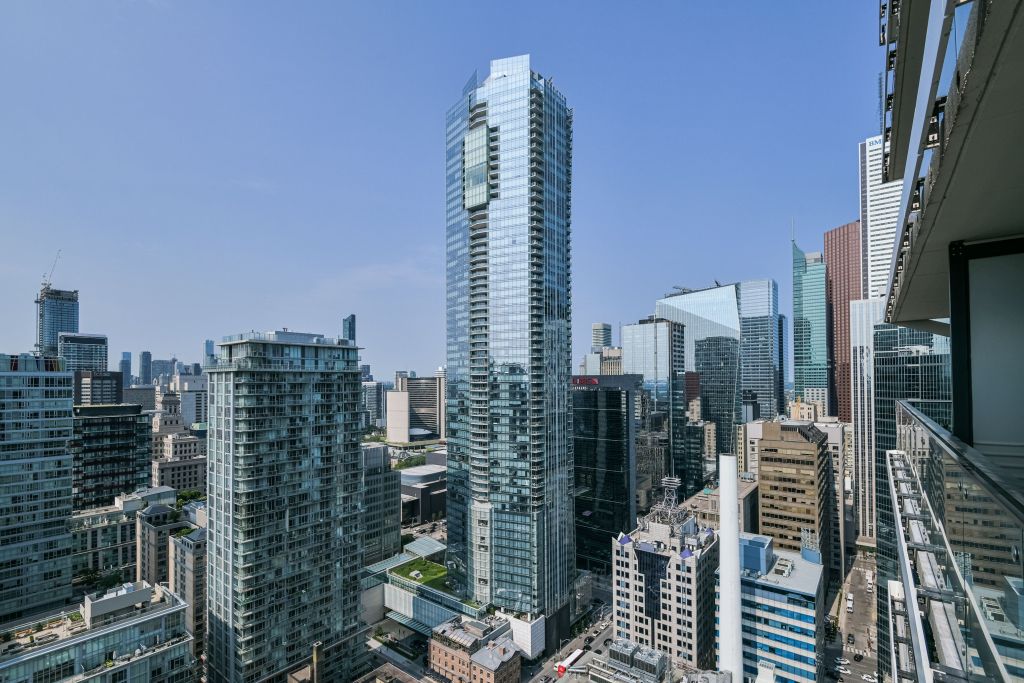
Toronto Skyline

What’s Inside a Status Certificate?

It’s more than just a single sheet. A typical status certificate includes:

  • Declaration, by-laws, and rules of the condo corporation
  • Monthly common expenses for the unit (and whether the current owner is up to date)
  • Audited financial statements from the previous year
  • Annual operating budget
  • Reserve fund balance and funding plan (important for future repairs)
  • Insurance certificate
  • Details of any legal proceedings, judgments, or outstanding claims
  • Whether the unit is subject to a lien
  • Names and contact information for directors and officers of the condo board

This bundle helps your real estate lawyer flag issues like underfunded reserves or pending lawsuits—things that aren’t obvious from a showing or MLS listing.

Check out the podcast episode we did on all things status certificates:

Cost, Timeline, and Ordering Channels

Ordering a status certificate in Ontario is relatively straightforward. Here’s what to expect:

  • Cost: $100 (HST included), set by provincial regulation
  • Delivery timeline: 10 calendar days from the date of request and payment
  • Format: Usually provided via secure PDF download, email, or printed hard copy

Some management firms also offer expedited service—usually within 2–3 business days—for an additional fee (often ranging from $50 to $135 extra).

Where to Order a Status Certificate in Ontario

Depending on how a building is managed, status certificates can be ordered through several platforms. Here are the most commonly used options:

  • StatusCertificate.com
    The most widely used service in Ontario. Many property management firms rely on this platform. Simply search by condo address and unit number, and you can order directly online.
  • Condo Control
    Used by many Toronto buildings. If your condo is registered, you can order certificates through your resident portal.
  • CondoBI
    Provides centralized access for condo documents. Works with affiliated management companies and allows digital payment and delivery.
  • Percel Property Management
    Offers both standard and expedited status certificate orders. Ideal for time-sensitive transactions.
  • Crossbridge Condominium Services
    Ontario’s largest condo manager. Ordering forms are available on individual property pages.
  • Wilson Blanchard
    Allows status certificate requests online for buildings they manage.
  • CondoCafe
    Used by large firms like FirstService Residential. You’ll need login credentials linked to your building.
  • Direct from Property Manager or Condo Board
    In smaller or self-managed buildings, requests are handled manually. Contact the property manager or board directly and be prepared to send payment via cheque or e-transfer.

Why Status Certificates Matter in the Buying Process

For buyers, the status certificate is typically reviewed as part of a conditional offer—meaning your deal only proceeds if the certificate comes back clean. That review is done by your real estate lawyer, and they’re looking for:

  • Evidence of a healthy reserve fund
  • Any upcoming special assessments (one-time repair costs to be paid by owners)
  • Legal issues involving the condo corporation
  • Liens or unpaid maintenance fees on the unit
  • Rules or restrictions that may affect how you use the property (e.g., pets, short-term rentals)

Sellers may also choose to proactively order one in advance to speed up the process—especially in competitive markets.

Common Questions About Status Certificates

Who pays for it?
Traditionally, the buyer covers the cost (as part of their due diligence), but some sellers may offer it upfront.

Can anyone request one?
Yes—anyone can request a status certificate as long as they provide the written request and $100 fee.

How long is it valid?
There’s no official expiry, but certificates older than 30 days are often considered outdated for legal review.

What if it’s not delivered within 10 days?
That’s a breach of the Condominium Act. While rare, your lawyer can escalate if delays occur.

Is the content negotiable?
No—the condo corporation must disclose certain information in a fixed format. It’s not something you can “amend.”

Final Thoughts

Ordering a status certificate might seem like a formality, but it can reveal a lot about the property you’re buying—or selling. In a city like Toronto where condo purchases move fast, understanding where to order one and what to look for can give you a real edge.

Think of it as your condo’s report card—and every good deal starts with doing your homework.

For more tips on buying a condo in Toronto, send us a message below!

Sources & Further Reading:

King Toronto Residences | BIG

The Toronto Real Estate Blogs I Trust Most—Here’s Why

By Advice For Buyers, Advice for Landlords, Advice For Sellers

Let’s be honest: there are a lot of voices in the Toronto real estate space. Some are helpful. Some… not so much. In a market where insight matters as much as square footage, I’ve learned to stick with sources that actually inform, educate, and sometimes challenge my thinking. Below is a shortlist of the blogs I genuinely read—the ones I turn to between showings, during market shifts, or when I just want a sharper perspective.

Whether you’re a buyer, seller, investor, or fellow agent, these blogs offer more than just listing fluff. They bring data, design, and dialogue to the table—and that’s what makes them worth your time.

Toronto Realty Blog – David Fleming

torontorealtyblog.com

Toronto Realty Blog

David Fleming is a fixture in the Toronto market. His blog blends sharp commentary with market education, pulling no punches when it comes to bidding wars, blind offers, or municipal policy missteps. It’s part data, part drama—but always thoughtful.

Why I read it: It’s raw, honest, and never sugarcoated. I often share his posts with clients who want the unfiltered version of what’s happening behind the MLS curtain.

Move Smartly – Realosophy / John Pasalis

movesmartly.com

Move Smartly

If you’re looking for a deeper, data-centric look at Toronto housing, John Pasalis’ reports are must-reads. The blog blends hard stats with housing policy insights and regularly features macroeconomic commentary.

Why I read it: It helps me stay grounded in actual numbers—especially during volatile months. When interest rates shift or headlines get noisy, this is one of the first places I check.

BREL Team Blog – getwhatyouwant.ca

getwhatyouwant.ca/blog

BREL Team Blog

This blog stands out for its transparency. The Brel Team writes with heart, humour, and honesty—offering real-world examples of staging, pricing strategy, and even the emotional rollercoaster of buying or selling.

Why I read it: It’s one of the most client-focused blogs around. I admire how clearly they explain complex steps without dumbing things down. I also personally know Mel and Brendan, and I’m a big fan of their work and the thoughtfulness they bring to everything they publish.

Related post: What a Discovery Call Looks Like

David Coffey Blog

davidcoffey.ca/blog

David Coffey Blog

David’s posts feel like curated thought pieces. Whether it’s an in-depth look at market dynamics or a personal take on neighbourhood evolution, there’s always something fresh here.

Why I read it: His appreciation for design and layout mirrors my own—especially when it comes to unique homes and lofts.

Urbaneer Blog – Steve Fudge

urbaneer.com/blog

Urbaneer Blog

Urbaneer is more than a market blog—it’s a cultural deep dive into Toronto real estate. Steve Fudge writes with empathy, historical insight, and a passion for the city’s housing diversity.

Why I read it: It connects the dots between architecture, neighbourhood character, and human emotion. It’s a reminder that buying a home isn’t just a transaction.

Pair it with: Neighbourhood Matching in Toronto

Fox Marin Blog

foxmarin.ca/blog

Fox Marin Blog

Minimalist design, clean visuals, and editorial polish make this one a treat to scroll. But it’s not just pretty—the insights into downtown condo life, new builds, and market mood are consistently thoughtful.

Why I read it: It reflects a modern buyer’s mindset. I often recommend it to clients who value design-forward spaces or want to understand the lifestyle side of the city. I’ve also had the pleasure of working with Ralph and Kori, and have always admired their commitment to the craft and the calibre of work they consistently deliver.

7. Toronto Livings Blog (Yes, This One)

torontolivings.com/blog

Our Blog

Shameless plug? Maybe. But our blog exists to fill the gaps we kept seeing in Toronto real estate coverage. We dig into purpose-built rentals, unique condo buildings, and share behind-the-scenes stories that shape smarter decisions.

Why we write it: To demystify the process, spotlight special properties (especially lofts!), and offer our clients a resource that goes beyond the basics… we also have a podcast too!

The MASH – Modern Architecture + Smart Homes

themash.ca

The MASH

Sleek and seriously niche, The MASH is a feast for design lovers (and as far as I know, not written by a realtor). From sharp geometric builds to mid-century gems, it’s a showcase of Toronto architecture at its finest.

Why I read it: It’s where I go when I need a break from spreadsheets and want to appreciate the artistry in real estate. The listings they highlight? Chef’s kiss.

Final Thoughts

In a city this competitive and nuanced, where you get your real estate info matters. These blogs offer more than content—they offer context. Whether it’s the data nerds, the design dreamers, or the straight-shooters, I’m grateful for every post that helps keep the Toronto real estate conversation sharp.

Have a favourite I missed? Shoot me a message. I’m always reading.

Floorplans for Sloane by Fitzrovia | Studios to 3-Bedroom Rentals

By Purpose Built Rentals

Located just steps from Yorkdale Mall, Sloane by Fitzrovia is a purpose-built rental community where modern living meets elevated convenience. Spread across three high-rise towers (ranging 24 to 30 storeys) and low-rise townhome buildings, Sloane brings over 750 new rental units to Midtown Toronto’s Yorkdale-Glen Park neighbourhood.

Sloane by Fitzrovia

Designed with renters in mind, the development includes a lush central park, curated amenities, and pet-friendly policies—all managed by a dedicated onsite team. With TTC access just minutes away, this community is ideal for those seeking a vibrant, connected lifestyle with the polish of condo-quality finishes.

Floorplans at a Glance

Suite TypeSize Range (sq. ft.)
Studio357
1 Bedroom493 – 537
2 Bedroom721 – 777
3 Bedroom851 – 994
2-Storey Townhome1,100 – 1,469

Studio Floorplans

Studio - Brocade
Studio – Brocade

One Bedroom Floorplans

One bedroom - Polka Dot III
One bedroom – Polka Dot III
One bedroom - Floral II
One bedroom – Floral II
One bedroom - Argyle
One bedroom – Argyle
One bedroom - Argyle IV
One bedroom – Argyle IV
One bedroom - Argyle III
One bedroom – Argyle III
One bedroom - Argyle II
One bedroom – Argyle II

Two Bedroom Floorplans

Two bedroom - Plaid
Two bedroom – Plaid
Two bedroom - Tartan II
Two bedroom – Tartan II
Two bedroom - Tartan
Two bedroom – Tartan
Two bedroom - Toile
Two bedroom – Toile
Two bedroom - Toile II
Two bedroom – Toile II

Three Bedroom Floorplans

Three bedroom - Paisley II
Three bedroom – Paisley II
Three bedroom - Paisley
Three bedroom – Paisley
Three bedroom - Paisley IV
Three bedroom – Paisley IV
Three bedroom - Paisley III
Three bedroom – Paisley III
Three bedroom - Rococo
Three bedroom – Rococo

Suite Features & Finishes

  • Full-size washer and dryer in every unit
  • 9’ smooth-finish ceilings
  • Keyless smart lock entry
  • Wi-Fi-enabled Ecobee thermostats for climate control
  • Free Rogers Ignite™ Gigabit internet
  • Solid core doors with brushed nickel hardware
  • Contemporary LED lighting and recessed pot lights
  • Furnished options available for select layouts

Kitchen Details That Matter

  • Stainless-steel KitchenAid® appliance package
  • Quartz countertops and matching backsplash
  • Panelled dishwasher for a seamless finish
  • LED undercabinet lighting to enhance visibility and style

Spa-Inspired Bathrooms

  • Frameless glass shower enclosures and designer plumbing fixtures
  • Deep soaker tubs in select layouts
  • Shower niches for convenient storage
  • Porcelain floor tiles and wall-mounted medicine cabinets

Next-Level Amenities

  • Infinity-edge pool with sun deck
  • Fitness centre, yoga & meditation rooms
  • Bowling lanes and games room
  • Coworking spaces with high-speed Wi-Fi
  • 24/7 concierge service
  • Onsite pet spa and grooming station
  • EV charging stations and secure bike storage

Select suites (in the East and West towers) also include walk-in closets, custom mudroom benches, two-tone cabinetry, and even wine fridges—offering a level of personalization rarely seen in rental communities.

Lifestyle & Location Perks

Steps from the front door, you’ll find Yorkdale Mall’s premium retailers, restaurants, and TTC connections. Families benefit from Bloomsbury Academy, a daycare located right on-site. Plus, Fitzrovia has introduced barrier-free suites and Shabbat elevator access, making Sloane inclusive by design.

Why Choose a Townhome?

For those looking for more space, privacy, or a dedicated street-level entrance, Sloane’s townhomes offer a unique opportunity in a rental market dominated by vertical living. With two levels, up to 1,469 square feet, and private outdoor space, these suites are perfect for growing households, work-from-home setups, or anyone craving the feel of a standalone home.

Pricing, Incentives & Availability

As of this writing, suite pricing starts around $2,100 for a studio and ranges up to $5,000+ for a premium townhome. Fitzrovia frequently offers incentives like 2 months free rent, free Rogers internet, and furnishing packages for move-in-ready convenience.

For current availability and promotions, contact us below!

Book a Tour or Learn More

Curious to see these finishes in person? We’d be happy to walk you through the model suites and amenities. Whether you’re downsizing, upgrading, or just curious—book a private viewing and discover what life at Sloane is all about.

Joyous Family and Dog Posing for a Portrait at Home

Pet-Friendly Living: Accommodations for You and Your Furry Friends at Sloane

By Purpose Built Rentals

Moving into a new rental can be stressful for humans—never mind the four‑legged family members who have zero say in the matter. Sloane, a purpose‑built rental community steps from Yorkdale Mall, has been designed from lobby to rooftop with pets (and their people) in mind. Below is a quick tour of the on‑site perks, nearby green spaces, and trusted groomers, that make Sloane a stand‑out option for anyone hunting a truly pet‑friendly lease in Toronto.

Sloane

Why Sloane Is a Tail‑Wagging Home Base

“Beauty for the Beast” In‑House Pet Spa

The Beauty for the Beast Pet Spa features elevated wash stations (goodbye, sore back), professional‑grade dryers, and a complimentary treat bar to keep anxious pups calm. Residents can reserve a time slot through the building app—no more wrestling with a muddy dog in a condo bathtub.

Dogs just need you and love, thats all. Shot of a young woman relaxing with her dog at home.

Green Time, Not Screen Time — Off‑Leash Parks Within a 5‑Minute Drive

Earl Bales Dog Park (4169 Bathurst St.)

A fully fenced hillside run with shady gazebos, fresh‑water taps, and plenty of parking. Winter bonus: the adjacent ski hill turns into an off‑leash toboggan run for snow‑loving pups.

Cedarvale Park Off‑Leash Area (443 Arlington Ave.)

Cedarvale Dog Park

Mulched footing keeps paws mud‑free, while surrounding woodland trails offer a scenic cooldown loop after fetch. An adjacent splash pad keeps the rest of the family cool in July.

Check out our other favourite dog parks in the city!

Pro Tip: Sloane’s underground garage entrance sits right by the Allen Road on‑ramp—weekend park‑hopping is a breeze.

Life Admin for Pet Parents — Groomers, Daycare & Supplies Near Yorkdale

  • PetSmart – Lawrence Square (700 Lawrence Ave W, ~900 m) – Full‑service grooming, puppy training, and same‑day curbside pickup.
  • DogSense Daycare & Boarding (535 Wilson Heights Blvd) – Cage‑free daycare with live‑stream cameras plus overnight boarding that includes a bedtime belly‑rub report.
  • Le Chien Élégant Grooming (134 Felbrigg Ave, 2.5 km) – Boutique groomers specialising in breed‑specific cuts and blueberry facials (yes, that’s a thing).

Ready to Sniff Out a Suite at Sloane?

If a pet‑positive community sounds like the right fit for your pack, send us a note below!

Condo by the lake

June 2025 Toronto Real Estate Market Update

By Monthly Market Updates

Real estate in Toronto took another small step toward affordability in June. With borrowing costs and average selling prices still trailing last year’s levels, more buyers are beginning to test the waters—even if many are still playing the waiting game.

The housing market showed further signs of recovery in June, as buyers benefited from a growing number of listings. With more inventory to choose from, many were able to negotiate below asking prices—an early sign that market leverage is beginning to tip back toward buyers.

Sales and Listings: Market Gains Traction (Sort Of)

Realtors reported 6,243 sales through the MLS System in June—a modest 2.4% dip compared to June 2024. However, new listings jumped 7.7% year-over-year, reaching 19,839 properties.

On a seasonally adjusted basis, sales were up compared to May 2025, while new listings were down. That combination—more buying activity and slightly less inventory—continues the tightening trend we saw take shape this spring.

Inventory vs. Demand: Are We Headed for Balance?

Month-over-month momentum looks promising, but economic jitters still weigh on decision-making. Many households are hesitant to dive in until they feel more secure about their jobs, rates, and the overall direction of the economy. Still, as inventory tapers and options dwindle, that hesitation could turn into competition sooner than later.

What’s Happening with Prices?

Condos Reach New High for 2025

While overall prices in the GTA trended downward, the condo segment quietly notched a win in June. The average condo price rose to $731,232—the highest it’s been all year. That’s up from $709,905 in May and significantly higher than where the year started at $691,039.

This steady upward trend—especially with June breaking the ceiling—could be an early signal of shifting demand. With lower entry points than detached homes and improved affordability, condos might be the segment to watch as momentum builds through summer.

Foxbar Condo

Detached Prices Cool Off After Strong Start

Detached homes, meanwhile, saw a different trajectory in the first half of 2025. After peaking in February at $1,782,262, average prices for detached properties have gradually softened, settling at $1,641,868 in June. While still higher than January’s average of $1,579,386, the trend suggests a gradual cooldown from earlier highs.

Buyers in the detached segment may find more room to negotiate as prices ease off their earlier highs, especially with higher-carrying costs still weighing on the top end of the market.

Semi-Detached Homes Show Seasonal Resilience

Semi-detached properties had a relatively stable run through the first half of 2025. While they haven’t reached a new peak since March’s high of $1,337,498, June’s average price of $1,278,434 still sits comfortably above where the year began.

The numbers suggest a segment that’s holding firm despite broader market softening—offering a middle ground between affordability and space that continues to resonate with move-up buyers.

Townhomes Ride the Seasonal Wave

Townhomes had a mixed performance in the first half of 2025, with prices fluctuating month to month. After peaking in February at $1,028,339, the average townhome price slid back to $957,605 in June. While that’s still above January’s average of $941,893, the segment appears more sensitive to broader affordability pressures.

For buyers, this could present a timely opportunity—especially for those seeking more space than a condo offers but without stretching to a detached price point.

Overall Price Summary

June’s average selling price landed at $1,101,691, representing a 5.4% drop year-over-year. The MLS Home Price Index Composite Benchmark also dipped 5.5% compared to June 2024. Month-over-month? Both the average price and HPI edged slightly lower from May.

This downward pressure on pricing isn’t new—it’s been with us for several months—but it continues to create an entry point for buyers who were previously priced out.

Price Chart – YoY and MoM Breakdown

MetricJune 2024May 2025June 2025% Change YoY% Change MoM
Average Price$1,164,714$1,110,905$1,101,691-5.4%-0.8%

What’s Fueling (or Delaying) the Recovery?

The market isn’t just reacting to supply and demand—it’s heavily influenced by macroeconomic factors. According to TRREB CIO Jason Mercer, a firm U.S. trade deal and two more expected rate cuts could help “make monthly mortgage payments more comfortable for average GTA households.” That added affordability, paired with improved consumer confidence, could push the recovery into higher gear.

But as of now, buyers are taking their time. Inflation progress has been choppy, and many are still skeptical that rates will come down fast enough to offset homeownership risks.

What Buyers and Sellers Should Know Right Now

For Buyers:

  • More listings mean more choice—and leverage.
  • Sellers are increasingly open to negotiation.
  • Lower borrowing costs = better affordability, even if only modestly improved.

For Sellers:

  • Price competitively to attract attention.
  • The tightening trend could benefit well-prepared listings.
  • With some buyers still on the sidelines, it’s not a frenzy—but serious shoppers are out there.

Final Thoughts: Recovery in Progress, but Far from Over

June continued the pattern we’ve seen throughout spring—a cautious, buyer-empowered market where affordability is slowly improving, but uncertainty still clouds the outlook. The next few months will be crucial. If confidence improves and rates continue to ease, Toronto’s real estate market could be poised for a steadier rebound – but who knows!

Curious what this means for your next move? Reach out by dropping us a message below—we’ll help you navigate the numbers and the nuance.

Moving to Toronto? Here’s Why Renting a Purpose-Built Apartment Makes Sense

By Purpose Built Rentals

You’ve just landed in Toronto—now what? If you’re hunting for a place to call home, you’ve probably scrolled past hundreds of condo listings and a handful of basement apartments. But there’s a third option that often flies under the radar: purpose-built rental (PBR) communities. Think of them as apartments designed from the ground up for renters—no surprise owner move‑ins, no condo board drama, and a lot more flexibility when your credit history is still finding its Canadian footing.


What’s a Purpose-Built Rental, Anyway?

A purpose‑built rental is an entire building—or sometimes a master‑planned campus—owned and managed by a single professional landlord. Unlike condo leases where every unit has a different owner, PBRs operate like one big, renter‑first ecosystem. That unified ownership means consistent rules, faster maintenance, and amenities that stay open because the landlord’s business model depends on happy tenants, not resale value.

Sloane by Fitzrovia

Purpose-Built vs. Condos & Private Rentals – The Four Stand-Out Benefits

1. Application Flexibility for Thin Credit Files

New to Canada? Still waiting on that first credit card? Corporate landlords can look beyond a traditional credit score. Many accept international banking letters, proof of employment, or a larger last‑month rent deposit instead of the usual Canadian credit check. The goal: fill suites with responsible tenants, not perfection on paper.

2. Promotions That Stretch Your Budget

Look out for move‑in incentives like “first month free” or a couple of months at a reduced rate. These deals pop up when new towers launch or when management wants to fill specific floorplans. Condo landlords rarely advertise perks this openly.

3. On-Site Pro Management & Amenities

Sloane West and East Tower Basketball Court

Need a faucet fixed at 2 a.m.? There’s usually a 24/7 service line. Parcel lockers, bike rooms, pet‑wash stations and—at head‑turners like Sloane by Fitzrovia — a full-sized Toronto Raptors basketball court, resort-style pool, hot and cold plunge, and even an on‑site kid‑care space make daily life smoother. Check out Sloane’s amenity list here.

4. Long-Term Stability & Predictable Increases

Many PBRs built before November 15, 2018 are rent‑controlled, capping your annual increase. Even in newer communities, multi‑year lease offers with locked‑in bumps are common. In a condo, an owner can sell (or decide to move back) with 60 days’ notice—never fun when you’ve just found your favourite local coffee shop.


Common Myths – Busted

  • “Purpose‑built buildings are old and tired.” Not anymore. Toronto’s pipeline is packed with glassy high‑rises that rival downtown condos for finishes.
  • “Condo amenities are always better.” See: rooftop dog runs, coworking hubs, and bowling alleys mentioned above.

Pro Tips for a Smooth Approval

  1. Build a newcomer rental package. Include an employment letter, recent pay stubs, and a reference from a past landlord or property manager.
  2. Add a personal letter. A short note about why you’re moving and how you care for a home goes a long way.
  3. Ask about current incentives and lease terms upfront. Purpose‑built landlords often run promotions—think first‑month‑free or discounted rent on longer leases. Confirm any rent‑increase caps for multi‑year agreements so there are no surprises later.

Ready to Make Your Move?

Whether you’re fresh off the plane or simply relocating across town, purpose‑built rentals can remove a lot of the stress from your first Toronto lease. Connect with the Toronto Livings team to see what’s available and snag your perfect suite before it’s gone.

Living Near Yorkdale: 5 Perks You Didn’t Know About

By Advice For Buyers, Purpose Built Rentals, Toronto

Ask most Torontonians what Yorkdale conjures up and they’ll picture a gleaming cathedral of luxury retail—Gucci bags, Apple launches, the whole nine yards. Fair! But plant yourself just outside those revolving doors and you’ll discover a neighbourhood that quietly levels‑up your daily routine. From dirt‑cheap car‑wash memberships to secret lattés away from the food‑court frenzy, living near Yorkdale is basically a life hack in postal‑code form.

Yorkdale Shopping Mall

Below, five perks even seasoned shoppers might have missed (plus a quick‑fire spec sheet if you’re sizing up a move).


1. Retail & Outlet Double‑Dip

Yes, you’re footsteps from the world‑class Yorkdale Shopping Centre—handy when you shatter your phone screen and need Genius Bar triage stat. But the real wallet saver is a seven‑minute stroll west to Orfus Road’s factory‑outlet row. Roots hoodies at half price, Nike kicks on permanent clearance, boxed kitchen gadgets you didn’t know you needed—errand day suddenly feels like a covert sample sale.

Pro tip: Tack on a weekday morning run to dodge weekend bus‑tour crowds. Your future self (and closet) will thank you.


2. Transit & Travel Hacks in Your Pocket

Living beside a subway station is nice. Living beside Yorkdale Station and a full GO Bus terminal is downright smug. Swipe onto the TTC for a 20‑minute ride downtown, or board GO Bus Route 94 straight to Pearson when a last‑minute seat‑sale pings your inbox. No Uber surge, no long‑term parking tab.

Driving? Theres ample free parking on site — and cyclists get a secure Bike Room complete with lockers so you’re not playing street‑lock roulette.


3. Unlimited Car Wash

Salt, slush, and construction grime can make your car look like it’s auditioning for a Mad Max sequel. Enter Crosstown Car Wash Yorkdale. For roughly the cost of a monthly streaming bundle ($24.99), their unlimited‑wash club keeps your ride shiny year‑round—plus free vacuums for a quick interior detox.


4. Off‑Mall Food & Coffee Gems

COPS Doughnuts
COPS Doughnuts

Skip the food‑court lineup and wander a block or two for flavours you won’t find under the mall’s skylights:

  • Cocoon Coffee, 855 Wilson Ave – tiny, plant‑filled, laptop‑friendly; their honey‑lavender latte has a cult following.
  • COPS Doughnuts – hot, made-to-order mini donuts best devoured while they’re still warm.
  • Amico Bakery on Dufferin – cannoli so crisp they crack audibly. Arrive early; nonna’s already in line.
  • Lady York on Dufferin – Italian grocery stalwart with a legendary deli counter and fresh weekly specials.

Your taste buds (and Instagram feed) just got a promotion.


5. Greenspace & Purpose‑Built Perks

Downsview Park
Downsview Park

A luxury mall address might not scream “outdoor oasis,” yet Downsview Park is a single subway stop north—290 acres of running trails, summer concerts, and an urban farm market that sells out of sourdough by 10 a.m.

Looking to rent before you buy? Sloane by Fitztrovia sits right beside the park. Think boutique‑hotel lobby vibes plus resident‑only bowling alley, PS5 gaming lounge, kids’ jungle‑gym zone, and co‑work suites outfitted with a few extra private booths. Purpose-built living also comes with a few extra perks you won’t find when you rent an ordinary condo unit.

Sloane West and East Tower Terrace and Pool

Quick Specs

Walk Score72 – “Very walkable” (errands ≈ 10 min on foot)
Transit Score87 – Subway, GO Bus, and express shuttles
Bike Score64 – Growing network of protected lanes
Suite MixStudios → 3‑bed condos & rentals
Lease Terms12‑month standard
Demographic VibeMix of young professionals, airport‑commuters & long‑time locals

*Scores via Walk Score and TTC trip planner.


Is Yorkdale Your Next Neighbourhood Move?

If you crave designer shopping at 9 a.m., freshly baked donuts at noon, and need to catch a flight at Pearson by 7 p.m.—all while paying less than downtown rent—Yorkdale might be your Goldilocks zone. And should you prefer turnkey renter perks over negotiating with an investor landlord, Sloane by Fitztrovia has a bowling lane with your name on it.

Ready to chat strategy or book a tour? shoot us a message below —we’ll walk (or bus) you through next steps.

What Costs Should You Expect When Selling a Home in Toronto?

By Advice For Sellers

Selling a home in Toronto comes with plenty of moving parts—literally and financially. While the goal is usually to walk away with a tidy profit, it’s worth knowing what expenses could chip away at your bottom line. From staging to legal fees and everything in between, here’s a breakdown of what sellers can expect to spend.

Real Estate Commissions: The Big One

Real estate commissions are often the largest cost in a home sale. In Toronto, it’s standard to pay between 3.5% and 5% of the final sale price, with that amount typically split between the buyer’s and seller’s agents.

While it may seem steep, this fee covers professional marketing, buyer negotiations, and the guidance of experienced agents who can help you sell faster and higher. And yes—commission rates can sometimes be negotiated, especially on higher-end properties.

Meet our team to see how we advocate for every dollar on your behalf.

Legal Fees: Closing with Confidence

Expect to spend between $1,500 and $2,500 in legal fees. That includes the cost of preparing documents, discharging your mortgage, completing title transfers, and managing disbursements like wire transfers or title insurance.

Your real estate lawyer will ensure the closing goes off without a hitch—so this is one area where cutting corners could cost more in the long run.

Mortgage Discharge & Prepayment Penalties

If you’re breaking your mortgage early, be prepared for additional fees. These usually include:

  • Admin/legal/registration fees (~$250–$500 total)
  • A prepayment penalty (either 3 months’ interest or an Interest Rate Differential—whichever is higher)

The exact amount varies depending on your lender and mortgage terms. Request a quote from your bank ahead of time so you’re not blindsided at closing.

Staging and Photography: Selling the Story

Staged House

First impressions count. Many sellers invest in staging and professional photography to maximize appeal—and return.

  • Physical staging can cost $4,000–$10,000, depending on the size of the home and length of time it’s staged.
  • Photography and virtual tours typically range from $500–$1,000, though high-end packages can go higher.

It may seem like a lot up front, but well-staged homes tend to sell faster and for more money—often recouping that cost and then some.

Status Certificate (For Condo Sellers)

If you’re selling a condo, buyers will likely request a status certificate, which outlines the financial and legal health of the building. In Toronto, sellers are usually responsible for covering the ~$100 (plus HST) fee.

Make sure to order it early to avoid delays once your property hits the market.

Moving Costs: Don’t Forget the Finish Line

Once the deal is done, it’s time to pack—and that comes with its own price tag. Professional movers in Toronto typically charge:

  • $1,500–$2,500 for local moves, depending on home size and complexity
  • More for long-distance or full-service packing/moving combinations

Budget a bit extra if you need short-term storage or specialized services (like moving a piano).

Capital Gains Tax (If It’s an Investment Property)

If the home you’re selling is your principal residence, you’re off the hook for capital gains.

But if it’s an investment or secondary property, 50% of the profit is taxable as income. The amount you owe will depend on your marginal tax rate and how long you held the property.

Keep good records—renovations, legal fees, and realtor commissions can often be deducted from your gain.

Here’s what the CRA says about it.

Toronto Home Selling Costs at a Glance

Cost TypeTypical Range
Real Estate Commission3.5%–5% of sale price
Legal Fees$1,500–$2,500
Mortgage Discharge~$250–$500 + penalties
Staging$4,000–$10,000
Photography~$500–$1,000
Status Certificate~$100 (condos)
Moving$1,500–$2,500
Capital Gains (if applicable)50% of gain is taxable
Staged House
Staged House

Final Thoughts: Budgeting = Power

Selling comes with its share of expenses—but it doesn’t have to come as a surprise. With a clear view of the costs involved, you can plan better, price smarter, and maximize your returns.

Thinking of listing your home? Here’s how we help you sell higher.